

The Peace Corps Application Process in 2025
The first step…is to take the first step.
On March 15, 2020, the Peace Corps evacuated nearly 7,000 volunteers from 62 countries worldwide - a first for the 63-year-old agency.
It wasn't the smoothest evacuation, but today, the Peace Corps is back in action.
The Peace Corps subreddit is abuzz with anticipation as aspiring volunteers share details of their recent interview or express the joy of accepting an invitation.
It's a positive development - one that can inspire a brand new generation of would-be volunteers to wade into the invitation process and begin looking outward toward a future abroad.
This article is updated from previous years to help navigate the 2 years, 3 months 2025 Peace Corps Application. If you have any questions, feel free to drop a comment.
Good luck, and thanks for stopping by.
*A quick note* - This article covers the application process in-depth. The idea is that you can return to this article throughout your experience to prepare for each step. Generally speaking, application to departure is 7-9 months.
What we’ll cover:
Finding a recruiter
Application process
Interview Process
Invitation
Medical & Legal Clearance
Onboarding
Departure
FINDING A RECRUITER
First things first - you might consider connecting with a Peace Corps Recruiter.
The official Peace Corps page says that applicants who work with a recruiter are 55% more likely to become volunteers. Considering that there are nearly 70 recruiters nationwide, there’s little reason to not reach out to one in your area.
There are a couple of options to help you start this process.
Option 1: Go directly to the Peace Corps Volunteer Openings page and peruse what role you are interested in taking on.
Bonus: You can always roll the dice and apply to go anywhere. (Warning: Only for the bold)
Option 2: Connect directly with a Peace Corps recruiter. The website gives you multiple ways to locate the recruiter closest to you. Peace Corps recruiters can generally be found at your local university.
As soon as you have located your nearest Peace Corps recruiter, you can reach out via email or go retro and give them a phone call - your choice.
APPLICATION PROCESS
Let's say you now have a Peace Corps recruiter. Let's also say you have your country and project in mind. Together, you and your recruiter will decide if moving into the formal application process is the right course of action.
For the sake of this article, let's assume you decided to move forward. Good for you!
Take a final moment to read through the project description, required skills, living conditions, medical considerations, and departure times before you officially begin the application.
Why do do this?
Because you can only have one application open at a time. You will need to commit to the country and role you are applying to.
If you change your mind, no problem. Simply close out your application and start a new one.
While the application itself is relatively straightforward, you’re reading this article to learn and avoid any surprises. So let's get into the weeds.
First, you'll want to create your account profile. There is no mystery to this. Simply provide your name, date of birth, phone number...etc.
Just the basics.
Once that has been completed, you arrive at the introduction page of your application. It will show your targeted project and volunteer title and give you an estimated completion time. It usually takes around 55-60 minutes to finish.
Bonus: You can save and return at any stage. Make sure to take breaks if you start getting fidgety 🚽.
Next, you will run the gauntlet of standard government questions.
Are you a U.S citizen?
Will you be 18 by the time your flight leaves?
Who did you vote for in 2024? -- Okay, that one is a joke.
Next, we move onto the personal information:
Address
Phone Number
Do you remember your social security number? Hope so.
Now onto some easy questions.
Have you served in the Peace Corps before?
Are you married, or looking to serve with a partner (this is an option)
Do you have any dependents?
Criminal record?
Upcoming court date?
Bonus: Don't worry too much about this stuff. The best strategy is to be honest on the application and explain any exceptions to your recruiter.
Do you take Drugs?
Are you a spy? -- get used to that question!
Are you involved in Peace Corps Prep?
Do you speak any foreign languages? What is your experience with the project you are applying for; do you have agricultural experience? Have you done any business consulting?
...Phew
We made it to the essay question. Unlike past years, you only have to write one essay for the updated Peace Corps application.
This is good and bad.
The essay is what the Peace Corps uses to assess your professionalism and maturity as a candidate. Essay topics vary but are usually based on your reasoning for serving as a Peace Corps Volunteer and how you plan to overcome the challenges you will likely face.
Bonus: Don't shy away from a little extra help (Dictionary) (Thesaurus) (Grammarly).
Alright!
We're almost done.
Now, just gather three references.
Select your ethnicity and race (you can always choose that you'd rather not respond).
Date. Sign.
Incredible job! Now it is time we move onto the interview process.
INTERVIEW PROCESS
Once your application is approved, you will receive an email with information to schedule your Peace Corps interview. In past years, the Peace Corps would have face-to-face interviews, but we now live in a post-Covid world and it looks like video calls are the preferred method now.
Bonus: The interview process, while stressful, should not worry you too much. We will cover some questions and provide some helpful interview tips. Don't worry, you've got this!
When the email arrives, make sure to set up your interview quickly. Peace Corps gets a lot of applicants; so if you get a spot, make sure to take it.
Bonus: Read these best practices if you are nervous about having a virtual interview.
As you prepare for your interview, it is not necessarily the best idea to write out all of the questions you think will be asked so that you have a pre-recorded response. Instead, being natural and fluid in your answers is the best strategy.
A quick disclaimer!
The interview will vary a lot based on what sector you are applying for and where you are going. That being said, the questions below will give you an excellent outline of what to expect and will help you feel prepared for the big day.
The interview is generally separated into three parts.
Part 1:
Why do you want to be a Peace Corps Volunteer?
Why do you want to serve in the (pick your sector)?
Why do you want to serve in this part of the world?
Would you be willing to serve in other parts of the world and/or other sectors?
If so, which countries and/or sectors?
Part 2:
Tell me about a time when you had to adapt to living or working with people from another culture. Have you stayed in touch or visited them?
Tell me about a time when you worked in an unstructured situation. Were you effective or successful?
Tell me about the most meaningful situation you have experienced helping others. What motivated you?
Tell me about a time when you had to fulfill an important obligation but it ended up being harder than you thought.
Tell me about the most challenging experience you have had working in a team.
Tell me about a time when you were able to transfer knowledge or skills to others. Walk me through your lesson plan. What challenges did you face?
Tell me about a challenge you faced with little or no support.
Tell me about a stressful time in your life. How did you cope?
...Phew. Let's take a moment to breathe.
Bonus: Soft skills are difficult to gauge from a resume or essay. When answering these questions, try to draw from past experiences and explain how they educated or empowered you. Be prepared for followup questions!
Part 3: (This part is more informal and opens up with a Q&A. Make sure to have some questions.)
Different foods that you're used to (vegetarian, vegan, etc.)
Health concerns
Living without electricity or running water
Privacy concerns
Geographic isolation (link to life on the ground)
Gender roles
Minority challenges
Lack of access to one's religious services
Alcohol (in cultures where its either excessive or prohibited).
INVITATION
Congratulations on getting through the interview! The following steps are an invitation, medical and legal clearance, onboarding, and departure!
Let’s keep going.
The Peace Corps invitation process, while exciting, is incredibly underwhelming.
Generally speaking, you are told that you have been invited to a specific country and sector (hopefully one of your choosing) and will be given a decent amount of literature to review.
You will want to review the material given (sector and country information, Peace Corps facts and figures, etc.) and formally accept or decline your invitation.
Next, bookmark this page and follow it as closely as you can.
MEDICAL AND LEGAL CLEARANCE
We won't mislead you...the medical clearance process is challenging; the legal is pretty cut and dry.
You'll receive an intense checklist of medical and dental assessments that you need to complete.
The process can be sensitive and aggravating, or it can be painless and straightforward - like all medical situations, it is highly personal.
Information is your friend during this step.
The Peace Corps does a nice job laying out the facts here. Make sure to study your reimbursement options carefully so you don’t come out of pocket more than you need to.
ONBOARDING AND DEPARTURE
The big day is getting closer and closer!
You went through all of the steps. You aced your interview and passed the health requirements.
At this point, you’ll want to review the preparation and training page, post on reddit to find other volunteers in your cohort, and consider following some Peace Corps Volunteers in your future country on social media.
Bonus: Don't be surprised if your itinerary changes once or twice before you actually depart! Remember, adaptability is key.
CLOSING THOUGHTS
You’re getting ready to do a big day!
It's normal and expected to feel anxious, nervous, scared, excited, and dizzy. But we all go through it.
The best advice is to connect with your cohort as soon as possible. Then, start envisioning yourself as a Peace Corps Volunteer and be proud that you've made it this far.
Don’t forget to take advantage of the Peace Corps Discounts and enjoy your time at home before you depart.
Remember to smile and have fun!
Please remember to…Like. Comment. Share.

Preparing to leave for the Peace Corps
Preparing for the Peace Corps is no joke and 27 months is a long time. Don’t worry…we’ve been there and we’ve got some suggestions for you.
“I’m so excited”. “I’m a little nervous”. “What the hell was I thinking”. “Is it too late to back out”?
“I’m so excited”!!!!
As you prepare to leave for your Peace Corps Service, you’ll likely have a lot feelings that go back and forth. That’s normal.
The only thing you can really do to calm your nerves is to breathe, write out your thoughts, and prepare. We’re here to help you prepare!
The things we’re going to discuss are:
The Must Have’s
Consider a spectrum of temperatures - pack accordingly
Start getting a feel for the road
EAT
Leave some of your baggage at home
Just jump
The Must-Have’s:
Alright, now pay attention. The advice below is as good as gold. Your ‘middle of Peace Corps Service self’ is going to cry of overwhelming happiness because you thought ahead to bring the following items.
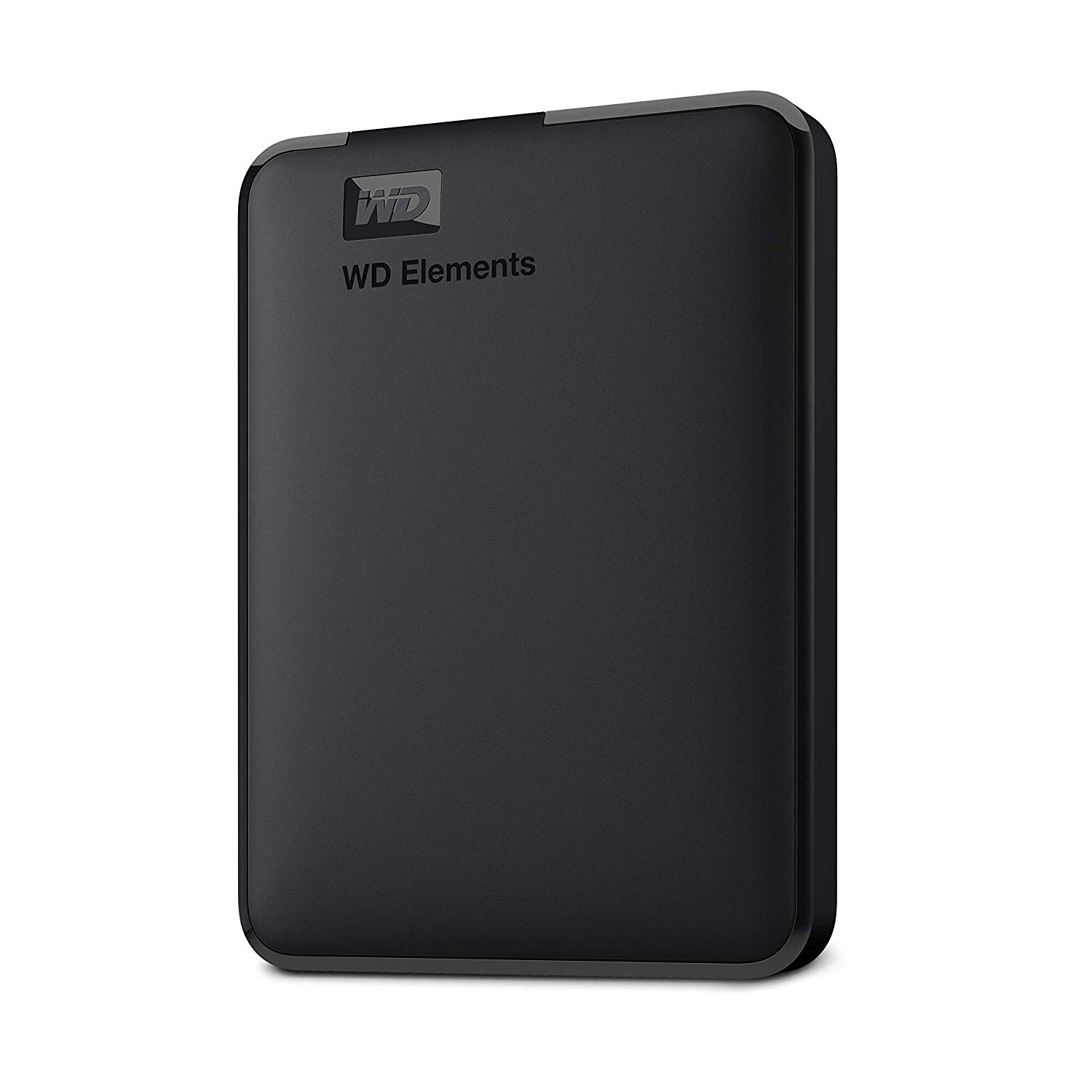
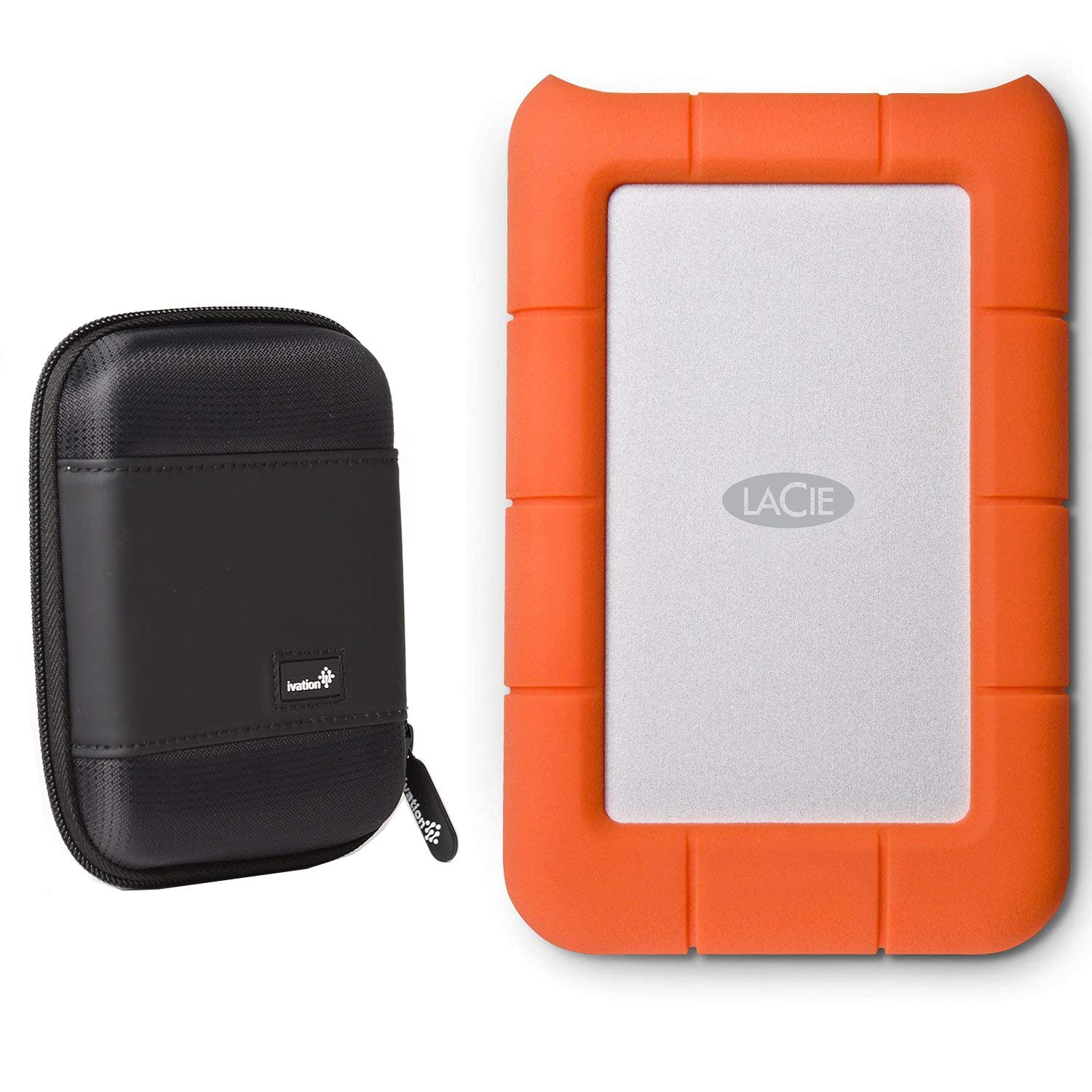
External Hard drive
Music, shows, movies, electronic books and video workouts are going to keep you sane (period). There is an irresponsible and potential liability inducing amount of pirated content in the Peace Corps world. While you may be a big book reader, 27 months is a long time. Bring an external hard drive with you and thank us later.
If you don’t have an external hard drive, consider these fine options:

Computer
The Peace Corps says you don’t need a computer for your service, but, you do.
Or, maybe we should say, it would make your life incredibly less frustrating than it should be.
The Peace Corps requires you to complete a lot of digital documentation over your service. You can take your chances that someone in your site will have a computer or you can trek all the way to the Peace Corps office when you need to fill out something - but the easiest choice is to just bring one with you.
In the market for a computer for your Peace Corps service? Check these out:


Kindle
Nothing is better than holding a new, crisp, and intriguing book in your hands. Nothing is worse than having to re-read that same book 9 times because you don’t have anything else.
Buy a Kindle for your Peace Corps service. Stockpile a spectrum of fiction and non-fiction and prepare to put those scholastic reading skills to the test.
Need a Kindle for your Peace Corps trip? We’ve got you covered:



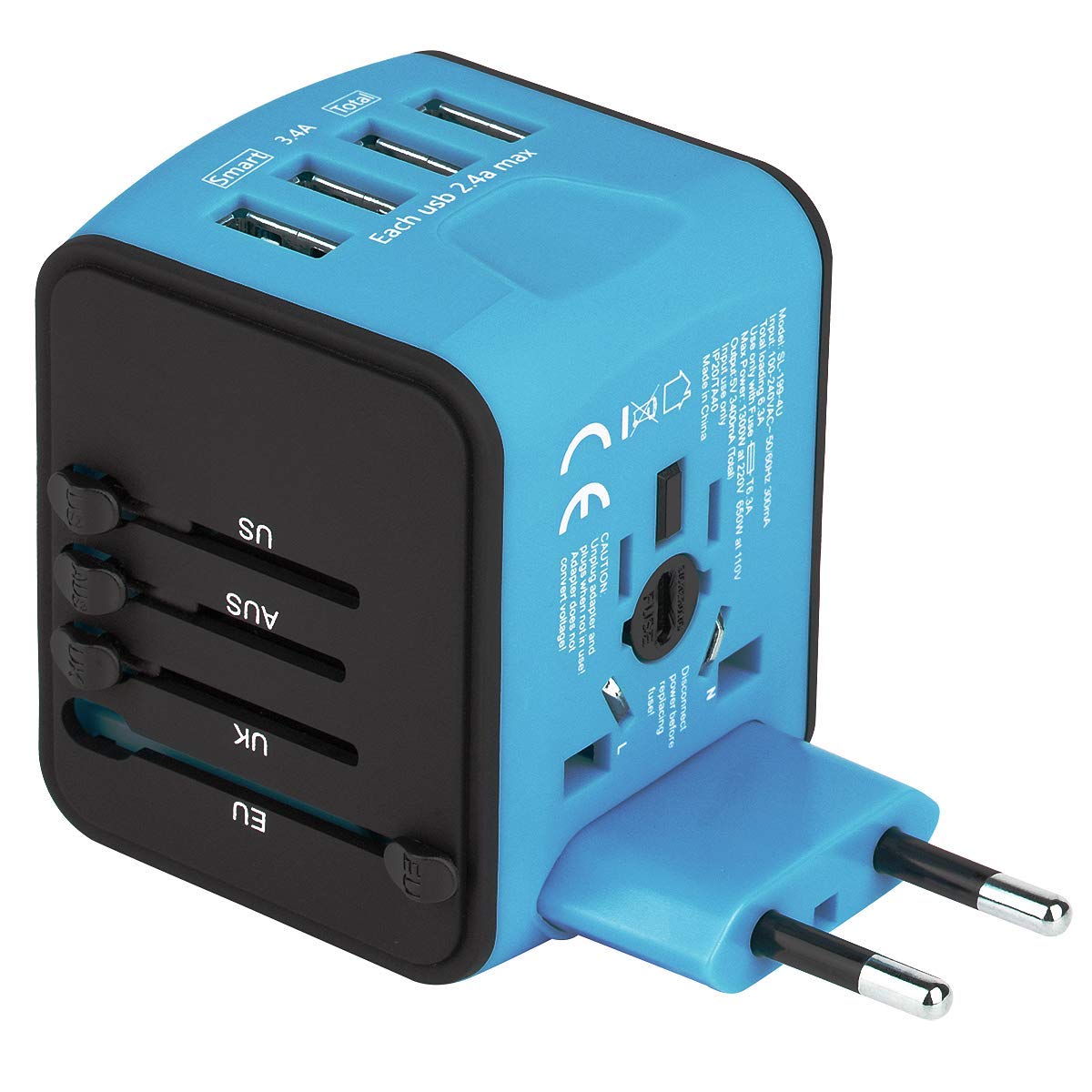
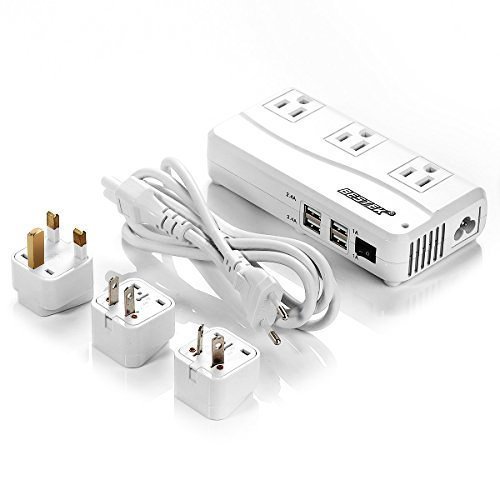
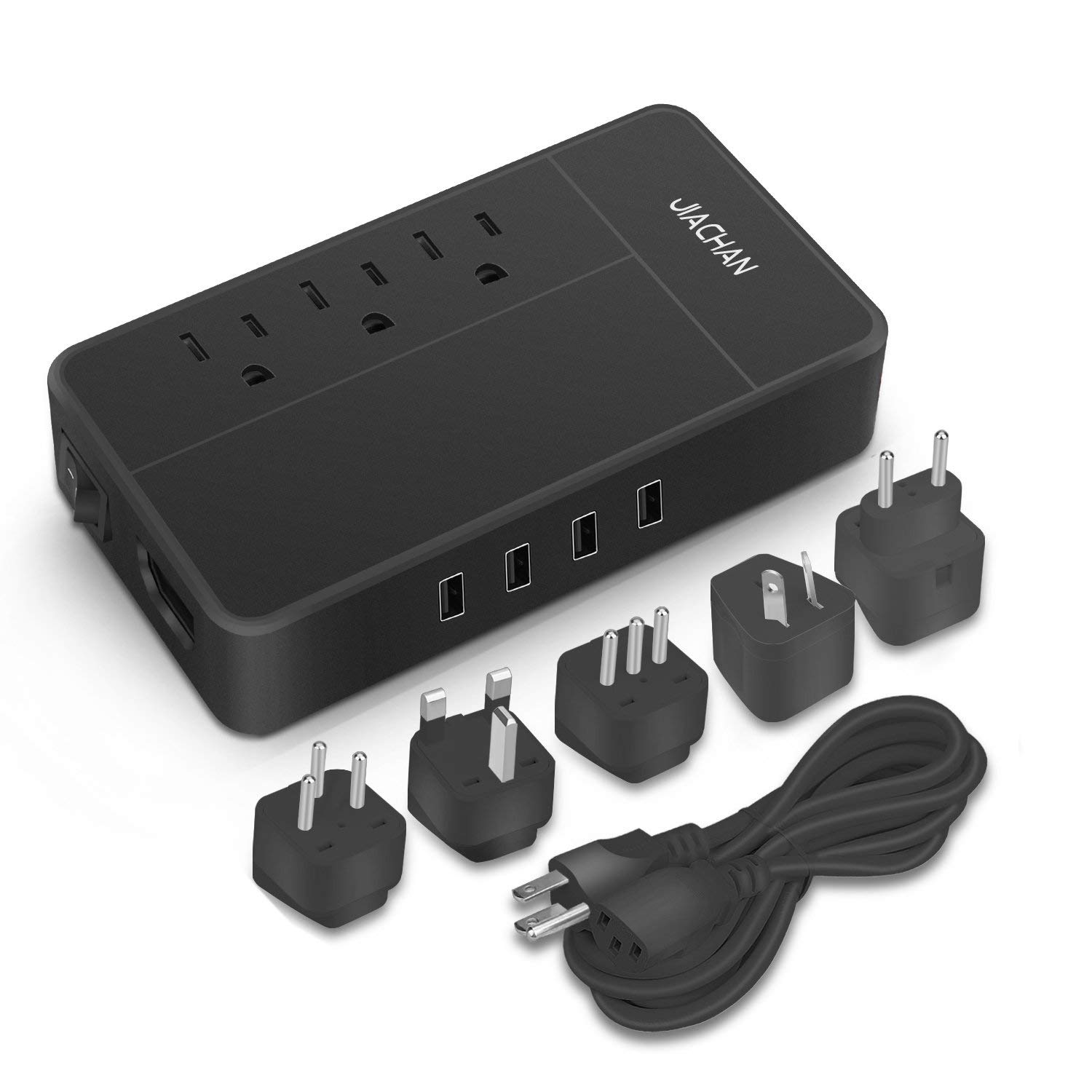
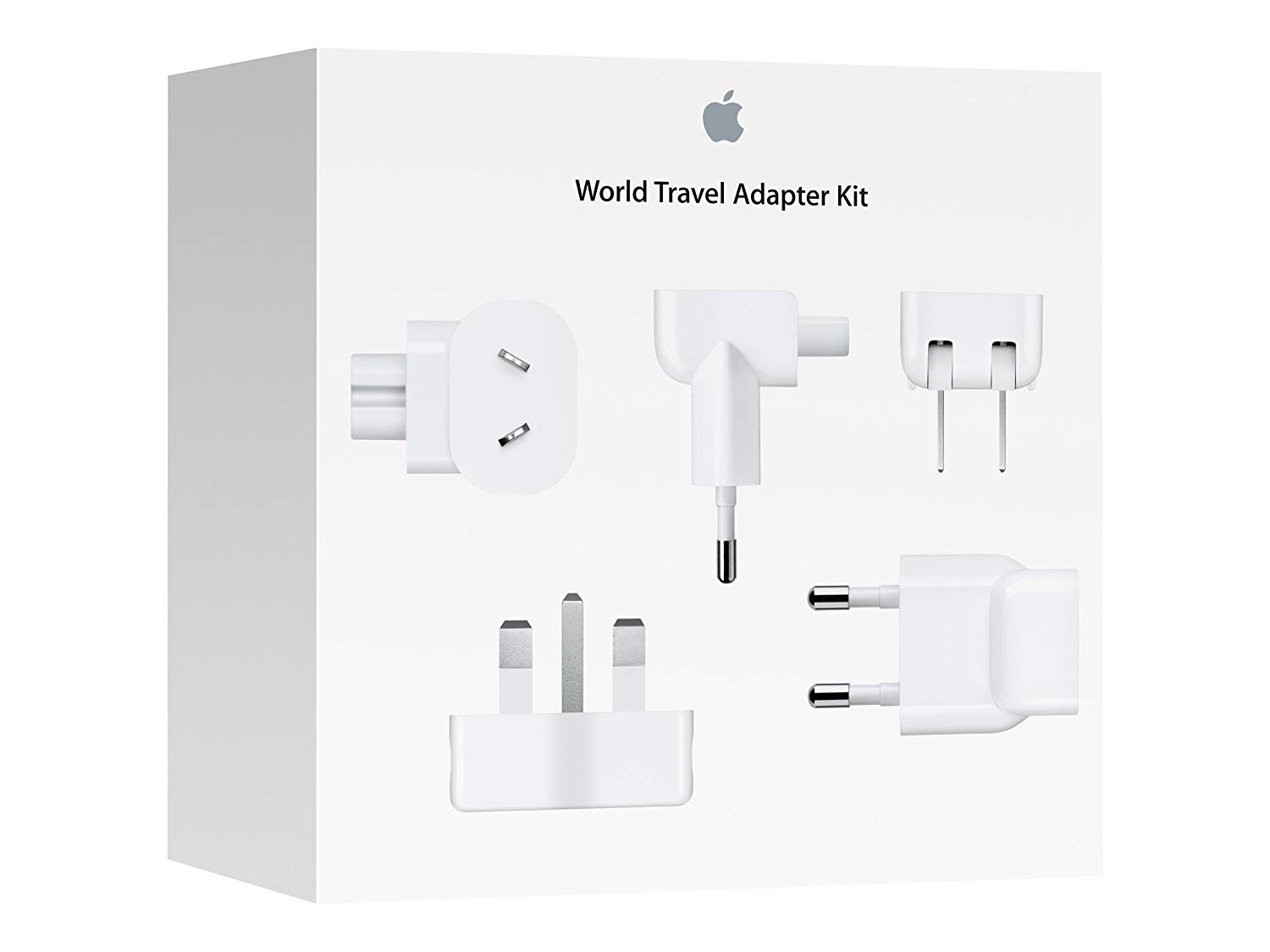
Adapter/Converter
Don’t fry your electronics - and don’t be in the position of having a two pronged plug awkwardly pushing against three round holes. Research your Peace Corps country’s electrical set-up and pack accordingly.
Looking for a good universal adapter or converter in case you travel around? Here you go:
Phone Accessories
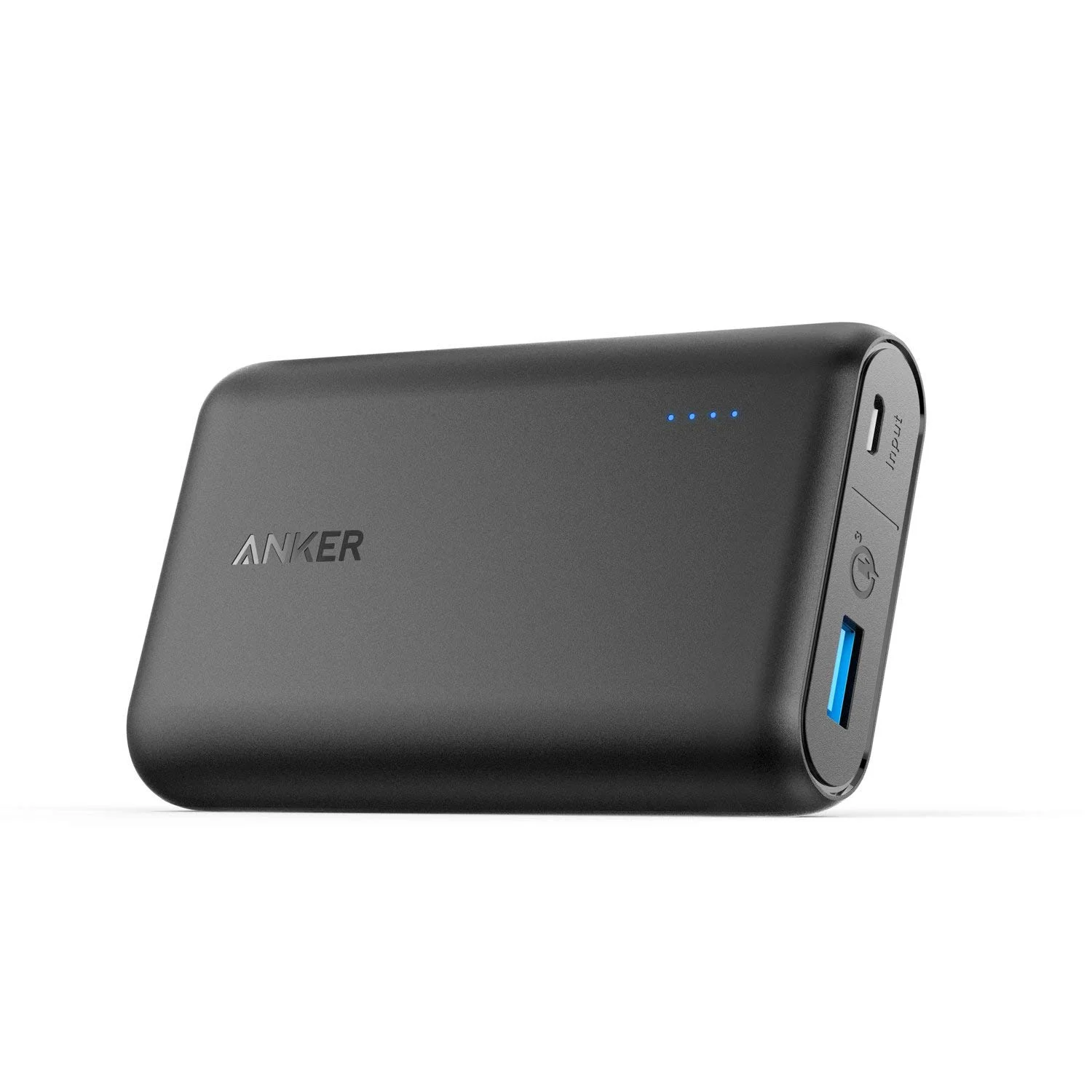
Ok. The Peace Corps provides you a phone during your service. This means you are not required to bring your personal phone with you.
But…
A government issued phone for 27 months is about as technically fulfilling as it sounds. If you choose to bring your personal phone, bring some accessories that will get you through.




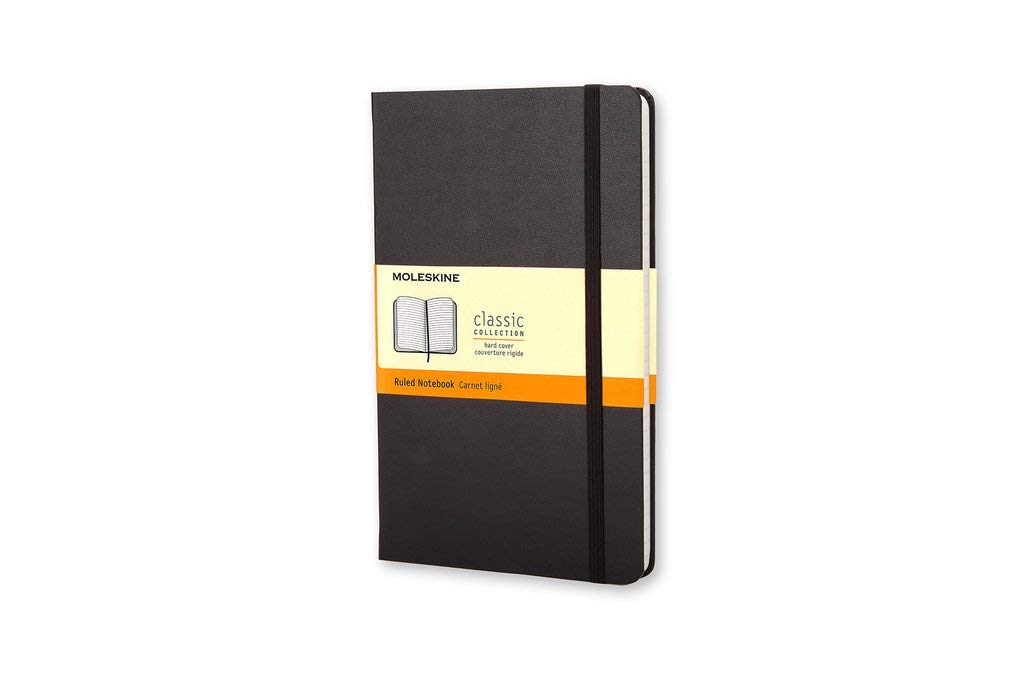
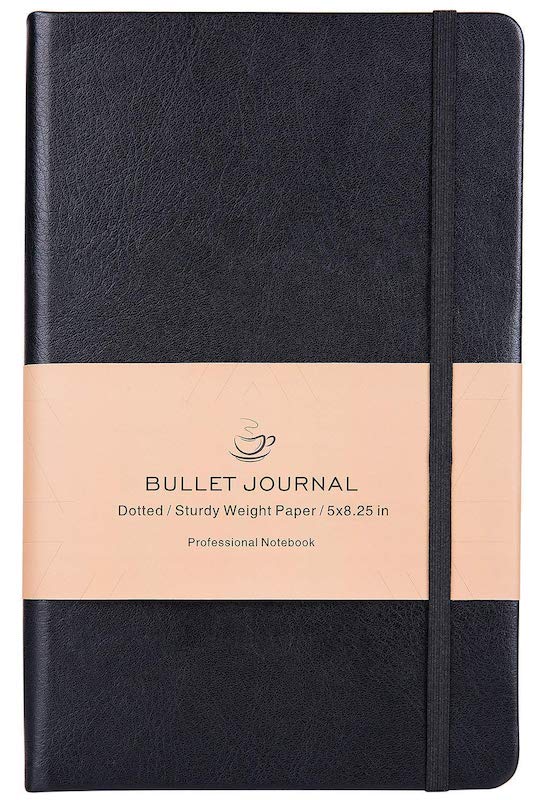
A journal
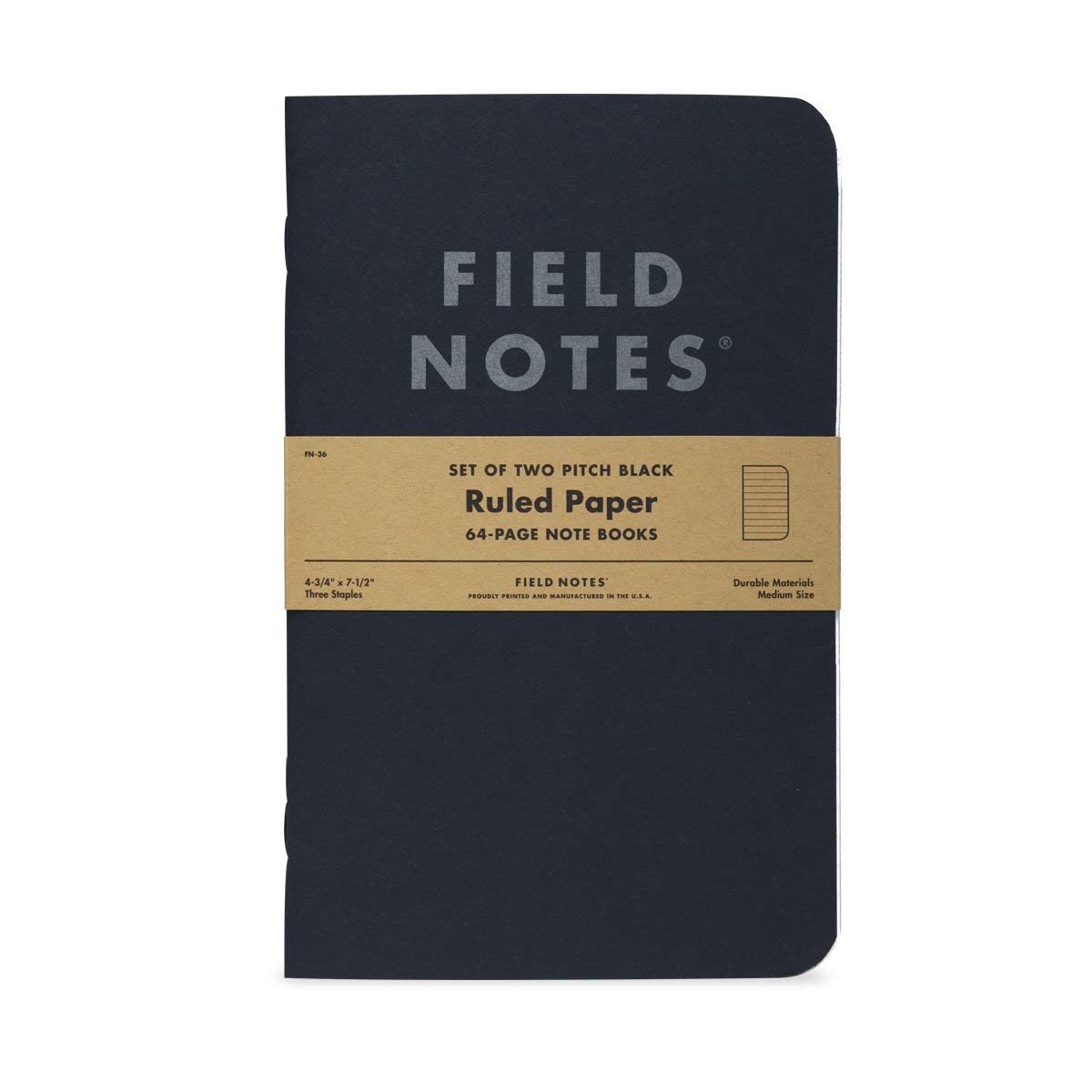
It doesn’t have to be a fancy bullet journal or an authentic moleskin. Just a simple journal that will allow you to reflect on this ridiculous experience you find yourself in. One of the most satisfying moments is re-reading the ups and downs of your Peace Corps service.
Here are a couple journal options:
Here is a great YouTube video on how to journal
Consider a spectrum of temperatures - pack accordingly
Africa is hot and Eastern Europe is cold, right? Well, kind of.
The truth is, living in the United States, we get accustomed to controlled temperatures. If it’s hot outside, you turn on the A.C. If it’s cold, you blast the heat.
I’m not saying A.C and heat do not exist in your Peace Corps country of service. But what I am saying is the opportunities you’ll have to experience those luxuries will be few and far between.
Nighttime in African counties can be bitter cold. Walking 10k up a hill in Moldova will make anyone break a sweat.
Do yourself a favor and pack for both conditions, regardless of your country. Below are some easy items that will have a dramatic influence on your comfort.





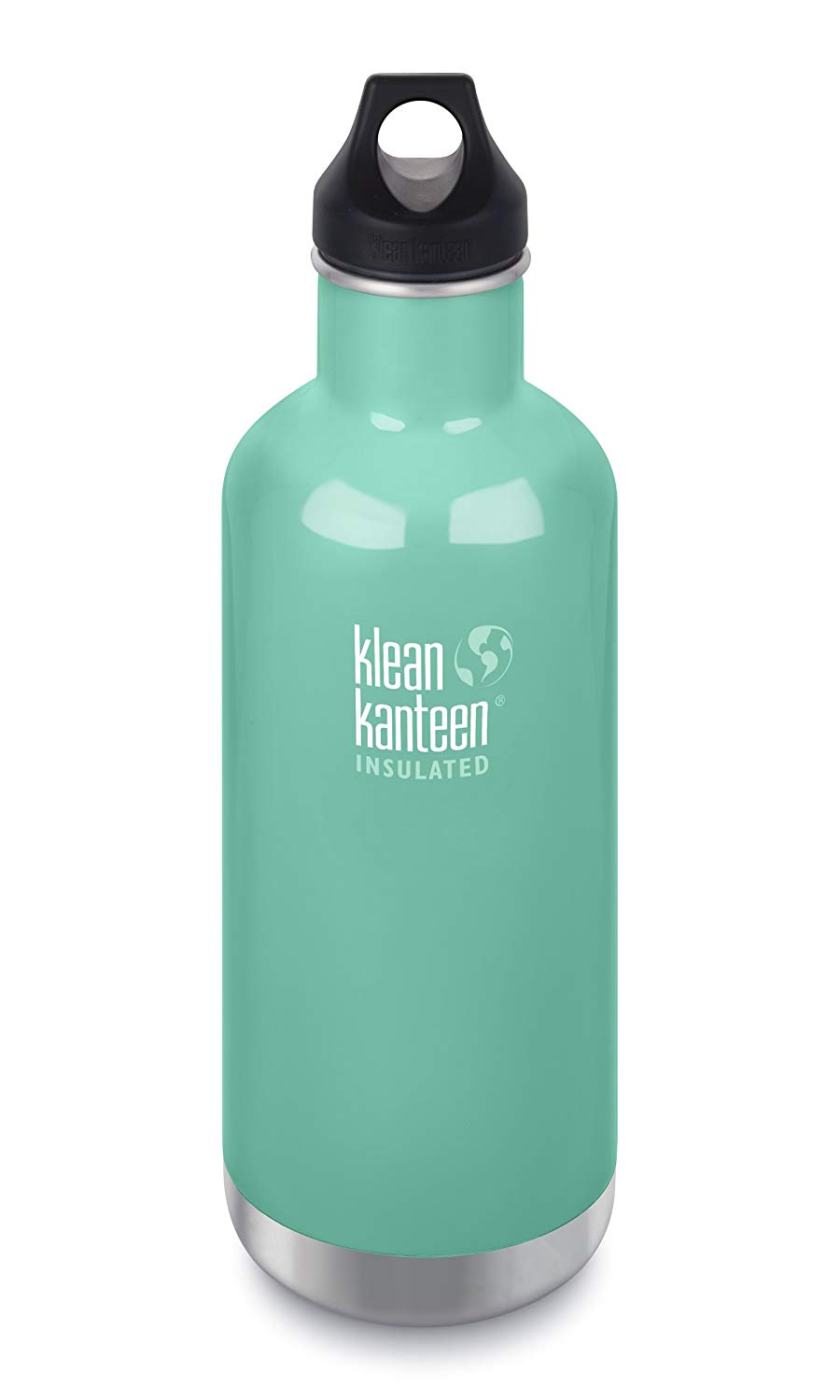
Water Bottles
Ok, picture yourself on a hot, cramped bus for 5 hours or in a cold cement classroom about to teach English at 6:45 in the morning. Having some cold water or hot coffee is just the thing that will keep you sane and happy. Believe us, a good water bottle will pay for itself 1 month into use. The most popular Peace Corps Volunteer options are below.


Other Special Items
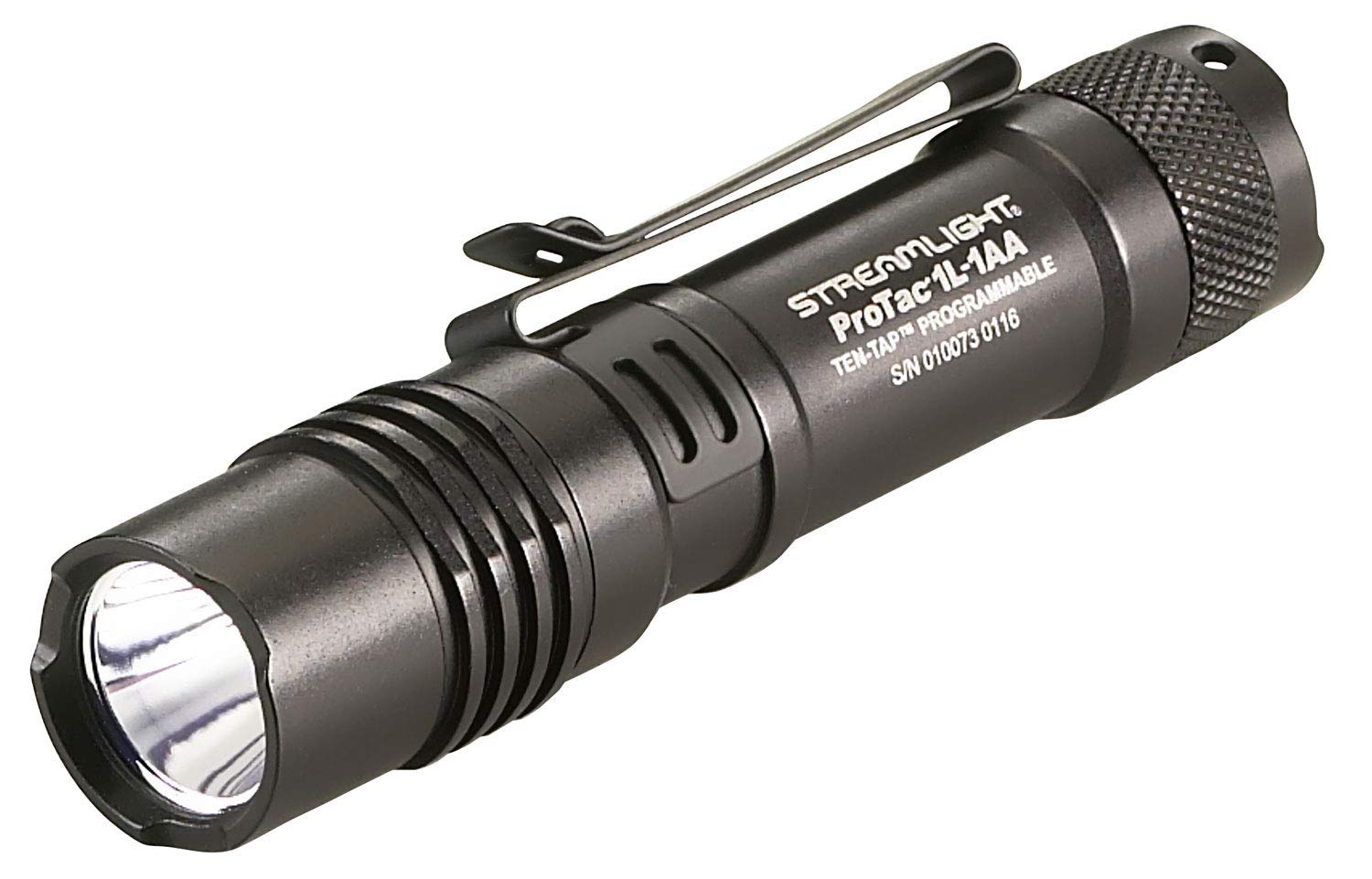
Every volunteer has ‘their thing’. I for one was always jealous of the volunteer that brought a mini-projector because she simply side-stepped so many technical issues that I had to endure during service. Consider what your ‘thing’ will be.

Start getting a feel for the road
Information is power. We all know this. But as you prepare to leave for the Peace Corps, sometimes you don’t know what to focus in on. We suggest connecting with your fellow cohort of volunteers on Facebook first - once you do, consider sharing this article with them :)
From there, follow @peacecorps on Instagram and look for your country specific Peace Corps Instagram page (i.e. @peacecorpsparaguay, @peacecorpsrwanda, etc).
Sticking with Instagram for a moment - if you’d like to see some funny memes and gifs about Peace Corps Volunteer service, follow @jadedcorps and @howapcvputsitgently. These pages are ran by anonymous Peace Corps Volunteers and Returned Peace Corps Volunteers and they give an exaggerated but funny perspective on service.
Next, learn about your Peace Corps country of service. Type the name of your country into Google News and see what the current events are. Use hashtags on Instagram to find volunteers in your future country of service and try to start up a conversation with them. Finally, try to find YouTube videos and other visual sources to help you get a better idea of the environment.
Eat!!!
Whatever your food-vice might be…indulge it. I kid you not, when you are pushing a year into your Peace Corps Service, you will find yourself laying in bed reminiscing of all the food you left back home.
Our advice - write out a list of your favorite restaurants. Consider atmosphere, food, and craft beers; then, start checking them off the list. If you do it fast enough, you just might have enough time to do it again!
Leave the heavy stuff at home
Peace Corps is a lot of different things to a lot of different people. But most volunteers agree that the Peace Corps is a great opportunity to reset and get a firmer grasp of your life. This can be hard to do if you pack your mental luggage with all of the trials and tribulations of back home.
You don’t have to ignore these things, but you also don’t need to carry them with you halfway around the world. Make the most of this opportunity and leave the really heavy stuff at home.
Just jump
You have what you need and you know what you have. Nothing is stopping you from jumping right into this new experience and, more than likely, changing your life.
One thing to remember: If at any time you want to go back home, the Peace Corps will fly you back within 48 hours. They do not joke around when it comes to volunteers that change their minds. So, as you work up the courage to pack your bags, hug your family, and set off on a worldly adventure, remember that you’re never stuck and that the worst thing you can do, is nothing.
Congratulations on making it through this article and preparing yourself for your Peace Corps experience. You can find more information about the Staging Process, The 10 things to bring to Peace Corps, and Guide to care packages in our future articles.
Remember you can support this website by clicking the "support' button and purchasing all of the items you'll need for the upcoming experience through our Amazon Affiliate link. Anything you buy, we get a small % from Amazon. It really helps us keep the site updated and running.
Hope to hear from you!
Like. Comment. Share.