

The Peace Corps waiting game
The months leading up to departure can be torturous. Luckily, we offer some helpful tips to speed up the process, slow down your mind, and fill up your pockets in this months article. Enjoy!
"Patience is not the ability to wait, but the ability to keep a good attitude while waiting."
While the process is faster than it used to be, the average timeline from application to invitation remains around 7–9 months.
For applicants preparing to leave their homes and lives behind for over two years, this waiting period can feel both stressful and uncertain. However, it’s also an opportunity to prepare yourself for the journey ahead and make the most of this transitional phase.
In this article, we’ll explore three ways to navigate the Peace Corps waiting game: expediting the process, earning money, and cherishing the present moment.
1. Expedite the Process
The waiting period can be shortened if you’re proactive and organized. Here’s how to set yourself up for success:
Apply Early: Submit your application weeks before the deadline. This positions you ahead of the competition for interviews and increases your chances of receiving an invitation sooner.
Know the Timeline: Peace Corps job postings follow a predictable schedule:
February postings: Depart January–March of the following year.
May postings: Depart April–June of the following year.
August postings: Depart July–September of the following year.
November postings: Depart October–December of the following year.
Stay on Top of Requirements: Once accepted, tackle your to-do list immediately. Follow up with your references, complete legal and medical clearances promptly, and ensure any pending decisions lie with the Peace Corps—not with you.
By taking these steps, you can reduce unnecessary delays and move through the process as quickly as possible.
2. Make Some Money
The waiting period often creates a tricky dilemma: you need to stay financially stable without committing to long-term work. Luckily, there are plenty of short-term opportunities to earn while you wait:
Online Teaching: Many Returned Peace Corps Volunteers recommend online teaching as a flexible and lucrative option. Platforms like VIPKid offer 25-minute, one-on-one sessions teaching English to children, primarily in China. With rates up to $22 per hour, you can set your own schedule and earn money while gaining teaching experience.
Gig Economy Jobs: Consider driving for rideshare services, freelancing, or doing part-time work. Websites like Upwork or Fiverr can connect you with short-term projects.
Quick Income Options: Take surveys through platforms like Swagbucks, donate plasma (seriously), or sell unused items online.
These opportunities not only help you save money for your service but also keep you productive during the waiting period.
3. Relax and Enjoy Your Time
It’s easy to get so caught up in preparation that you forget to savor the present. Remember, you’re about to embark on a life-changing experience that will take you away from home for 27 months. Make the most of this time with loved ones:
Indulge in Your Favorites: Make a list of your favorite foods and enjoy them while you can. Whether it’s local takeout or your mom’s homemade lasagna, you’ll likely miss these comforts.
Spend Quality Time: Take the time to connect with family and friends. Strengthen those bonds and make memories to carry with you during your service.
Appreciate the Present: Don’t let the anticipation of the future overshadow the joys of the present. These moments at home will become cherished memories during your time abroad.
At some point in your service, you’ll find yourself reminiscing about these final months at home. By savoring this time, you’ll set the stage for a rewarding and fulfilling Peace Corps experience.
Final Thoughts
The Peace Corps application process may test your patience, but it also offers a unique opportunity to prepare for the journey ahead. By staying proactive, finding creative ways to earn money, and cherishing your time at home, you can turn this waiting game into a valuable chapter of your Peace Corps story.
Stay focused, stay positive, and best of luck on your Peace Corps adventure!

Why you should journal during your Peace Corps Service
The benefits of journaling our well documented. Aside from organizing your projects and promoting mindfulness, journaling in Peace Corps gives you an areal view of your service that your future self will be happy to have. Learn why journaling is the most popular habit of Peace Corps Volunteers in this month’s article.
"Journal writing is a voyage to the interior."
Your Peace Corps service will be one of the most transformative chapters of your life.
Like any major life event, your service will be filled with highs and lows. There will be days when you feel overjoyed and fulfilled, and others when you’re unsure if you made the right decision. These emotional peaks and valleys are entirely normal—they’re part of the process of growth and adaptation.
In navigating these ups and downs, establishing mindful habits can help you stay grounded and make thoughtful decisions. One of the most effective and widely practiced habits among Peace Corps Volunteers is journaling.
Why Journaling Matters During Your Peace Corps Service
The benefits of journaling are well-documented: it reduces stress, enhances your mood, sharpens your mind, and even bolsters your immune system—an underrated perk in environments where maintaining health is critical.
Beyond these universal benefits, journaling during Peace Corps service offers unique advantages. It serves as a way to:
Process Your Experiences: Journaling helps you work through challenging moments and reflect on positive ones, giving you clarity and perspective.
Preserve Your Memories: Years down the line, you’ll appreciate having detailed accounts of this life-changing period. Journals can act as personal archives that help you remember the people you met, the cultural nuances you observed, and the impact of your work.
Simplify Reporting: Peace Corps VRFs (Volunteer Reporting Forms) are essential for documenting your projects and progress. Journals can double as a reference, making it easier to recall the details of your activities, like workshops, community events, and outcomes.
Tips for Effective Journaling
Start Small and Consistent
Don’t feel pressured to write lengthy entries every day. Start with a few sentences about what stood out to you—whether it’s an interaction, a success, or a challenge. Consistency matters more than volume. Over time, this habit will grow naturally.Use Prompts to Spark Ideas
If you’re unsure where to begin, prompts can help. For example:What made you smile today?
What’s one thing you learned about your host culture this week?
Describe a challenge you faced and how you handled it.
Prompts like these can make journaling less daunting and more meaningful.
Make It Portable and Durable
Invest in a high-quality journal that can withstand the wear and tear of travel and daily use. Moleskin journals are a popular choice—they’re durable, compact, and have a timeless design that makes writing feel intentional.
How Journaling Helps Beyond Your Service
The habit of journaling doesn’t just support your Peace Corps experience; it has lasting benefits for your personal and professional life.
Self-Reflection: Regular journaling helps you understand your emotions, track your growth, and identify patterns in your thoughts and behavior.
Communication Skills: Writing about your experiences sharpens your ability to articulate ideas and convey complex emotions, which can translate into stronger personal and professional communication.
Career Development: Your journal can act as a source of inspiration for future projects, speeches, or even job interviews. Employers often appreciate the unique insights and stories Peace Corps Volunteers bring to the table, and your journal can help you recall them vividly.
Journaling isn’t just about documenting your journey—it’s about enhancing it. So grab a journal, start small, and let this habit become an anchor in your Peace Corps service and beyond.

Suspending your phone service during Peace Corps
The average phone plan in the United States is $80 a month. With such a high price tag, few Peace Corps Volunteers would consider keeping their phone service during their time out of country. But what about our phone number? Learn what to do in this article.
The average phone plan in the United States is $80 a month…
With such a hefty price tag, it’s no wonder that many Peace Corps Volunteers (PCVs) choose not to keep their phone service during their time abroad.
But what about your phone number?
While it might seem like a minor detail, over time, you develop a connection with your phone number. It becomes part of your identity, and let’s face it, the thought of memorizing a new number—and updating it with everyone you know—can feel like too much of a hassle.
The good news is there are ways to keep your number while saving money. Many telecommunications providers offer suspension programs, though PCVs may face challenges qualifying. If those don’t work, services like Google Voice provide an affordable and reliable solution.
Here’s what you need to know:
Suspending Service with Major U.S. Carriers
Most major carriers like Verizon, AT&T, T-Mobile, and Sprint (now part of T-Mobile) offer “Military Suspension” programs. These allow customers to pause their service while keeping their phone number for free or a small monthly fee.
Unfortunately, Peace Corps Volunteers generally don’t qualify for these programs (AT&T calls us out directly) because the Peace Corps is not classified under the same criteria as active military deployment or federal government assignments.
What can you do instead?
Persistence Pays: Some volunteers have successfully negotiated suspensions by explaining their unique circumstances. Call your carrier, even AT&T and ask to speak to a manager or specialist who might have more flexibility.
Low-Cost Plans: If suspension isn’t possible, consider switching to your carrier’s cheapest available plan. Many providers offer prepaid or minimal service plans, which can cost as little as $15/month.
While suspending service with a carrier might work for some, it’s not always a smooth process. That’s where Google Voice comes in.
Google Voice: A Lifeline for Peace Corps Volunteers
Google Voice is a free service that lets you port your current phone number and use it for calls, texts, and voicemail—all over the internet. It’s a game-changer for Peace Corps Volunteers who want to stay connected without maintaining a full phone plan.
Benefits of Google Voice:
Keep Your Number Forever: Porting your number ensures you’ll never lose it, even if you don’t have a traditional phone plan.
Access from Anywhere: With Wi-Fi or data, you can send and receive texts and calls just like you would with a regular phone.
Voicemail and Texts in One Place: Google Voice stores your messages and voicemails in your account, accessible from any device.
No Monthly Bill: Once your number is ported, there’s no recurring cost unless you opt for add-ons like international calling.
How to Port Your Number to Google Voice
The process is straightforward, but there are a few steps to get it right:
Check Eligibility:
Not all phone numbers can be ported to Google Voice. Visit the Google Voice Porting Tool to confirm your number is eligible.Prepare Your Account:
Your phone number must remain active with your current carrier until the porting process is complete.
Have your carrier account number, PIN, and billing address handy (this information is required for porting).
Initiate the Port:
Log into your Google Voice account.
Select “Port a Number” and follow the prompts.
Pay the $20 one-time porting fee.
Wait for Confirmation:
Porting usually takes 24-48 hours. During this time, your existing service will remain active. Once the process is complete, your phone number will be fully transferred to Google Voice.Update Your Contacts:
Once porting is complete, inform banks, employers, and key contacts that your number now operates through Google Voice.
For PCVs, Google Voice simplifies life: no monthly bills, no hassle of switching numbers, and reliable access to calls and texts. Plus, in emergencies or when you return stateside, your number will still be active and ready to use.
The Bottom Line
Peace Corps Volunteers have enough to think about—keeping a phone number shouldn’t be another stressor. Whether you negotiate with your carrier or embrace Google Voice, there’s a solution to fit your needs and budget while serving abroad.
Choose the option that works best for you and focus on what truly matters: your service and the adventure ahead.

How to stay healthy and fit during your Peace Corps service
With your Peace Corps service comes new foods, drinks, and daily habits that might have you feeling a little less ‘healthy’ and ‘fit’. Here you’ll find some advice on how to manage your diet, find creative exercises, and, when necessary, calm your mind.
While this might not be high on the list, it is something to consider.
Twenty-seven months is not a short period of time. As you prepare for your Peace Corps service, you may do well to consider how to keep your mind and body occupied. Take it from us, there is a lot of spare time and you’ll want to find something with which to fill it.
This article aims to be a bookmarked resource for you to come back to. Let’s look at the highlights:
Diet
Exercise
Mindfulness
Living your best life
Diet
In 2011, Michelle Obama unceremoniously kicked the food pyramid to the curb and introduced America to the simple and easy to understand ‘My Plate’ nutritional guideline. Basically it says, eat more fruits and vegetables, cut back on refined sugar and try to get more creative in your protein consumption.
Admittedly, this may come as a challenge while serving in the Peace Corps.
There is no getting around it. If you are a vegetarian, vegan, or have specific dietary restrictions, your options are going to be limited during your service; the scale of which depends entirely on your country of service and ultimate site location (if you would like a dedicated article on this topic, let us know in the comments).
The best option that we have found is to confide in other volunteers and to create support groups that can compile and share creative recipes and dietary workarounds. More often than not, other volunteers have lived out this experience and can offer advice that is country specific.
Join your Peace Corps Country Facebook page to ask if a volunteer recipe book has been made. Make a care package list for friends and family to send throughout service, and communicate with your fellow Peace Corps Trainees.
One of our favorite websites, Devex wrote a nice article that offers some great insight as well.
Exercise
Chances are, your gym options are going to be slim. A good and semi-obvious workaround is to do bodyweight exercises, go running, and try some yoga. Since exercise is such a personal journey, we’re going to avoid recommending one thing over another, and instead just suggest that you google a few programs, bring a good pair of shoes, and be open to new avenues of staying healthy that your future community might show you.
In country, you will likely find that exercise equipment is difficult to come by and surprisingly expensive.
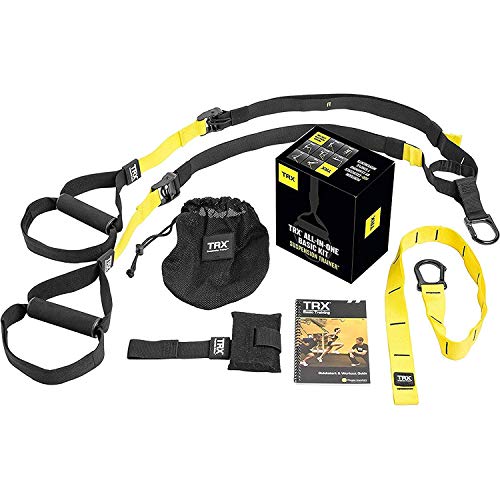
You definitely do not want to arrive in country with a portable gym on your back, but a few small, light, and strategic items can help make all of the difference.




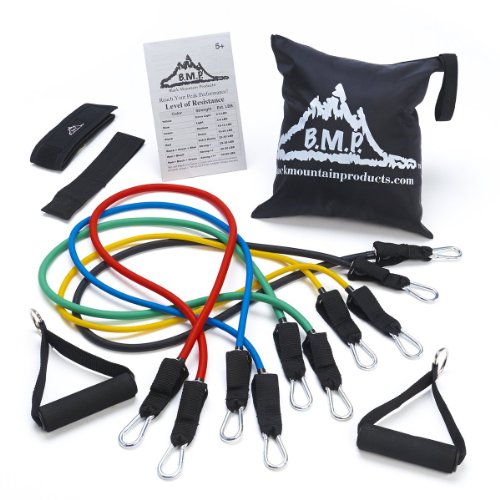
Some volunteers make some serious health goals when in country. A friend of PathwaytoPeaceCorps had a strap gym that was pretty impressive.
But Running is by far the most accessible and therefore popular exercise choice for Peace Corps Volunteers.
Imagine yourself lacing up and running on the country road. The light taps of your shoes on the gravel and dirt is all that you hear. You see the sky open up as the sun peeks above the horizon and you feel a wave of relief wash over as you realize you are a in a foreign country, serving a community, and growing in ways you couldn’t imagine.
Thankfully, Xero Shoes has been kind enough to partner with us and also offers a discount to PCVs when they contact them (with proof of acceptance to Peace Corps).

Prio Running and Fitness Shoe for Men and Women
Whether you’re out on a run, trying out a new trail, hitting the gym, or toeing a slackline, you’ll love the Prio’s combination of freedom and protection.
If you plan to get some new shoes through Amazon, consider using one of these affiliate links we provide. This site is supported when new Peace Corps Volunteers enter Amazon from one of our links and purchases something.


In return for purchasing your needed products through our links, we will continue to scour the internet for all of the Peace Corps Volunteer Discounts we can find.
Hydro Flask recently partnered with us and now offers a discount to PCVs when they apply for their ProDeal. Just click the link and scroll down.

Hydro Flask 32 oz Wide Mouth
Mindfulness
They say mindfulness isn’t difficult, but remembering it is.
Far be it from us to offer concrete advice on how to be mindful while serving in the Peace Corps. Like exercise and diet, a person’s mind is inherently unique and cannot be put into a box or a cleverly written and engaging article.
After a long discussion, our team landed on two key items that we believe to be the best place to start.
The first is to journal, and journal often. The truth is, it doesn’t matter much what you decide to write or in what way you choose to organize your experience. The most important thing is to reflect on when you feel good and when you feel bad. Recognize your wins, evaluate your losses. At the end of two years, it’ll be the most entertaining read you could ever imagine.
Here are two popular journals that hold up through a Peace Corps service:


The second option is to do some form of meditation. This does not require you to tap into your inner Siddhartha. The basic idea is to breath deeply, recognize the absurdly unique experience that you are living and find some joy in it.
Don’t try and do it all by yourself. Calm and Headspace offer enjoyable guided experiences that give you a place to start.


Living your best life
At the end of the day, you are only as healthy and fit as you let yourself feel. Whether you are working with youth in an urban environment or hiking to fill your water bucket at the community well, the Peace Corps is going to challenge you.
The last thing you will want is to have some archaic outline of how you should look and feel, weighing on your shoulders.
Exercise when you want to. Dig into the care package when you need to.
This is your experience to have and share with your community. Enjoy it.
Congratulations on making it through this article and preparing yourself for your Peace Corps experience. You can find more information about the Preparing for the Peace Corps, The Application Process, and Concerned Parents in our other articles.
Remember you can support this website by clicking the "support' button and purchasing all of the items you'll need for the upcoming experience through any Amazon Affiliate link. Anything you buy, we get a small % from Amazon. It really helps us keep the site updated and running.
Hope to hear from you!
Like. Comment. Share.

Care Packages: A Peace Corps Volunteer Lifeline
When the hour is dark and all things seem bleak, a good care package is just the thing to lift a Peace Corps Volunteers’ spirts. Learn how to send a care package in this article.
Imagine this for a moment.
You are heading to the main school in your community to work with your afternoon class. Usually you like this class because the professor actually understands what Peace Corps is and has stopped asking why you keep showing up. Just recently, she let you start running the classroom after lunch…finally an opportunity to put into practice the zillion ice-breakers and leadership activities that you spent three months learning.
It’s hot.
The electricity went out and the overhead fan has given off its last gust of stale, dry air. While this is pretty normal, it seems to have the kids a bit more combative than usual.
After class you hurry home to shower. Today is the community garden group meeting you’ve been preparing for. Your first independent community project! The rock on which you will build your entire Peace Corps service.
Nobody showed up.
Everyone told you this would happen. Just keep at it and don’t take it personally. Still, it’s a tough day. To add on to it, the neighborhood cat that you thought you were cool with stopped showing up. Today sucks.
But what’s this?
As you get closer to the door you see a semi-formal note with scribbles that seem to say you have a package at the local post office. Oh merciful universe, the tricks you play.
A waterfall of ideas begin to pour. Gatorade packets? Mac n Cheese? Maybe family photos of your cousins birthday party?
The next day, energy is restored. With a hop in your step, you take the relatively short bus trip to the post office to pick up your care package. With a quick flick of the pen and a small token of appreciation to the office clerk, you head back home with your box of goodies.
What joy awaits? You’re filled with newly found vigor and love. This small package, the contents it holds, has given you an extra breath. Thank you.
Maybe this seems extreme, but a well timed care package can lift the spirts and keep you moving forward just as things seem to be at their most bleak.
Naturally, sending a package to remote parts of the developing world is not a cut and dry thing.
Common mistakes will make the shipment of the package twice as expensive as its contents. Even worse, poorly filled out paperwork may cause the volunteer to dish out a sizable chunk of their monthly allowance just to get it out of customs. This is assuming the package arrives safely in the first place.
To help, we’ve compiled a small list of do’s and don’ts.
Before you leave for your Peace Corps Service, share this article with friends and family. When that first care package arrives, give thanks and then gorge out on Velveeta cheese and sriracha.
The Do’s and Don’ts of Sending Peace Corps Volunteer Care Packages:
Get the correct shipping address (obvious, yes..simple, no)
Ask the Peace Corps Family and Friends Facebook page if anyone has insight into that country
Usually someone will have experience with the country you’re shipping to and can give specific advice
Look up the country’s customs requirements and fill out necessary forms
Fill in the Detailed Description of Contents
Don’t get carried away with this, but make sure each item is accounted for
If the item is expensive, say it is ‘used’. If its not, make sure the value is declared below $10* so the Peace Corps Volunteer doesn’t get hit with fees when they collect the package
*If you are insuring the package, ignore this step
Make sure the package is marked as ‘Gift’
Extra Tips:
Write passages of the country’s dominant religion on the package to dissuade curious eyes
If you’re sending cash, hide it in the pages of wrapped book
Double bag any powder or liquid item
Be weary of items that melt or have a short shelf life
Do you have any care package content ideas? Any extra tips you think the community would like to know? Don’t be shy, comment below and share your thoughts.
Congratulations on making it through this article and preparing yourself for your Peace Corps experience.
Like. Comment. Share.

Concerned Parents of a Peace Corps Volunteer: A quick Q&A
Leaving for the Peace Corps is not a small thing. It only makes sense that you are going to have friends and family that will have a lot of questions about your upcoming service. If you’re a concerned parent of a Peace Corps Volunteer or have parents that worry about your decision, grab a coffee and read this article.
You care.
With that care comes a mix of emotions—anxiety, excitement, worry, and even fear. It’s natural.
As your child serves overseas, it can feel like you’re right there with them, sharing their journey from afar. While the internet and Peace Corps safety protocols provide reassurance, some questions linger.
This Q&A pulls from our experiences and insights from other Peace Corps parents to help answer them. Don’t see your question? Leave a comment or reach out—we’re here to help.
Let’s dive in!
Q) How do I get in contact with my child while they are in the Peace Corps?
A) The Peace Corps has established systems to help volunteers stay connected with their loved ones. Volunteers have access to internet and phone services at their country headquarters, and they can use these facilities to contact home.
While the quality of service can vary depending on the volunteer’s location, most volunteers can access basic cell phone service and some form of internet, though it may not always be reliable. It’s a good idea to discuss communication preferences with your child beforehand, as they will likely have limited or intermittent access depending on where they are stationed.
Q) What happens if there is an emergency in the country?
A) Peace Corps service does carry some inherent risks—whether from natural disasters, political unrest, or other challenges. However, the Peace Corps has comprehensive safety measures in place to protect volunteers.
Each Peace Corps post is equipped with a Safety and Security office, as well as a highly qualified medical team. During Pre-Service Training (PST), volunteers undergo extensive safety training, covering a variety of situations including public transportation safety, personal security, and regional emergency evacuation plans.
These systems help mitigate risk and ensure that volunteers are prepared to respond if something goes wrong.
Q) How does the Peace Corps keep track of my child?
A) One of the most fulfilling aspects of Peace Corps service is the freedom to travel—whether it's exploring the host country or taking short trips during designated breaks. However, safety protocols ensure that volunteers are always accounted for.
Before traveling, volunteers are required to report their whereabouts to the Safety and Security team. If they plan to leave the country, they must submit a vacation request, detailing their travel plans, accommodation information, and emergency contacts. This ensures that the Peace Corps can reach them if needed and maintain oversight of their safety during travel.
Q) What if there is an emergency back home?
A) If an emergency occurs back home and you need to contact your child, the Peace Corps has two emergency lines that you can use to get in touch:
855.855.1961 ext. 1470
Calls made to these lines are transferred from the Peace Corps headquarters directly to your child’s country of service. The appropriate Peace Corps staff will be notified and will help facilitate communication with your child as quickly as possible. More details on how to handle emergency situations can be found on the Peace Corps website.
Q) Could my child get seriously hurt?
A) Yes, there are always risks associated with living and working abroad, especially in unfamiliar environments. Peace Corps volunteers are in a foreign country for 27 months, which naturally carries a certain level of risk. However, the Peace Corps is committed to minimizing these risks through training, preparation, and support systems.
Volunteers are not alone—besides the Peace Corps staff, they have fellow volunteers and local partners to look out for them. In addition, the Peace Corps has numerous resources and protocols in place for emergency situations, from medical care to evacuation procedures, ensuring that your child is supported if something goes wrong.
Q) What is the outline of my child's Peace Corps training?
A) Peace Corps training is a comprehensive and intense process, usually spanning three months and focusing on language, culture, and technical skills. Volunteers undergo training tailored to their sector—whether that’s community development, education, agriculture, or another area—and receive practical knowledge in areas like farming techniques, small business management, and health education.
The training program varies by country, but the overall goal is to ensure that your child is well-prepared for their service. They will leave training with the confidence and tools they need to succeed in their role and adapt to their new community. For a more detailed breakdown, we recommend reading Peace Corps Training.
Q) Can you tell me more about safety and security?
A) The Peace Corps does a thorough job of explaining safety and security on their website, and we recommend reviewing it for in-depth information.
While the Peace Corps continually works to improve its safety protocols based on volunteer feedback and global factors, it’s important to acknowledge that no system is perfect. Volunteers may still face safety concerns, particularly around issues like sexual assault. We encourage you to read both the CBS coverage on these matters and the Peace Corps’ response for a more balanced understanding.
Q) How can I send packages to my child?
A) Receiving a care package can be a meaningful and uplifting experience for Peace Corps volunteers. Though sending packages is possible, it can be a bit tricky, as each country has its own regulations for customs and prohibited items. However, here are some general guidelines to keep in mind:
Mark the package as a “gift” to avoid customs fees.
If the value of the contents exceeds $10 USD, declare the items as used.
Clearly label the package with your child’s name, address, and any additional information needed.
Use flat-rate shipping to minimize costs.
Be sure to check with the Peace Corps or other online resources for specific guidelines about sending packages to the country where your child is serving.
Q) How can I send money to my child?
A) Sending money internationally can be challenging, but there are several options for getting funds to your child. We recommend reviewing the Peace Corps' finance guide to better understand the landscape.
If you’re looking for a quick and reliable way to send money, a simple but effective method is to place cash in a book or other secure item and send it with your care package. While it’s not the most straightforward option, it’s worked for many families. Check with your child first to feel out any obstacles to this idea.