

The Unofficial Peace Corps Survival Kit: 10 Things You Actually Need to Pack
You have a 100lb weight limit and 27 months of life to pack. Here is the gear that actually survives the journey.
Let’s face it: staring at an empty duffel bag and trying to visualize the next two years of your life is terrifying.
The Peace Corps provides the essentials (a medical kit, mosquito net, etc.), but your personal comfort is up to you. After talking to hundreds of Returned Peace Corps Volunteers, we know that cheap gear fails. Straps break, zippers bust, and batteries die.
If you are going to spend money, spend it on items that will last from Staging to your Close of Service flight. Here are the 10 items we recommend every invitee buy before they fly.
(Transparency Note: This post contains affiliate links. If you buy through these links, we may earn a small commission at no extra cost to you. This helps support our mission to help future volunteers!)
1. The "Indestructible" Hard Drive
Why you need it: In the Peace Corps, digital media is currency. You will trade movies, TV shows, and PDFs with other volunteers like gold. Internet is often slow or non-existent, so streaming isn't an option. You need a massive, durable library of entertainment for those long, rainy nights in your site.

It’s compact, has a three year warranty, and is durable enough to survive a bumpy bus ride.
2. A Headlamp (That Isn't Your Phone)
Why you need it: Whether you are walking to an outdoor latrine at 2 AM or reading during a power outage, a hands-free light is non-negotiable. Do not rely on your phone flashlight—it wastes precious battery.

Petzl Tikka Headlamp
Long battery life, simple to use, and it has a "Red Light" mode so you don't blind your host family (or attract bugs) while you’re eating dinner.
3. The "Forever" Sandals
Why you need it: You will walk more in the next two years than you have in the last ten. You need sandals that can handle mud, river crossings, and long hikes, but still breathe in the heat. Flip-flops will break in week one.
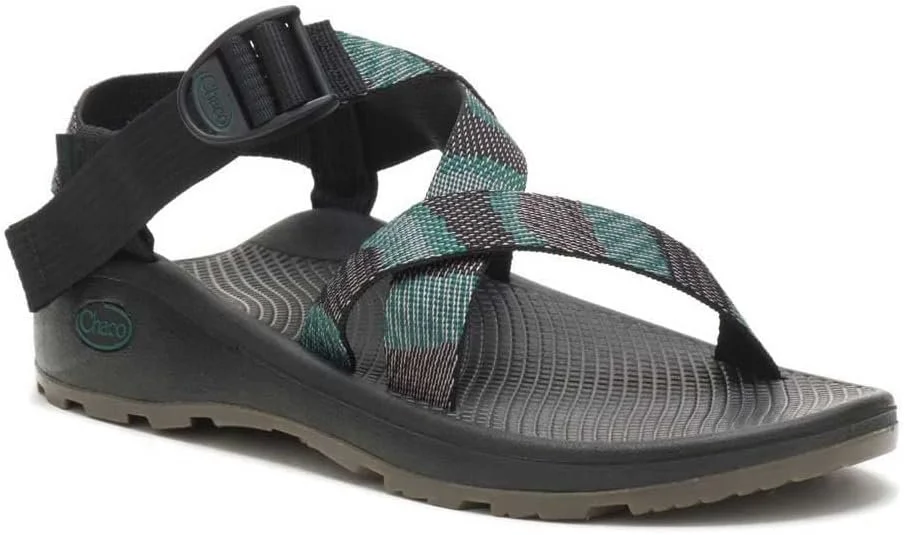
Chaco Z/Cloud Sandals
Chacos have a cult following among volunteers because they are virtually indestructible. The straps are adjustable for a custom fit, and the sole provides actual arch support.
4. A High-Capacity Power Bank
Why you need it: Electricity in many Peace Corps countries can be inconsistent. A power bank ensures your phone is charged so you can listen to music, use offline maps, or call home when you finally get a signal.

Anker PowerCore 20,000mAh
Anker is the gold standard. This brick can charge a typical smartphone 2-3 times before needing a recharge itself.
5. A Quick-Dry Microfiber Towel
Why you need it: Cotton towels take forever to dry in humid climates and start smelling like mildew immediately. Microfiber dries in minutes and packs down to the size of a t-shirt.
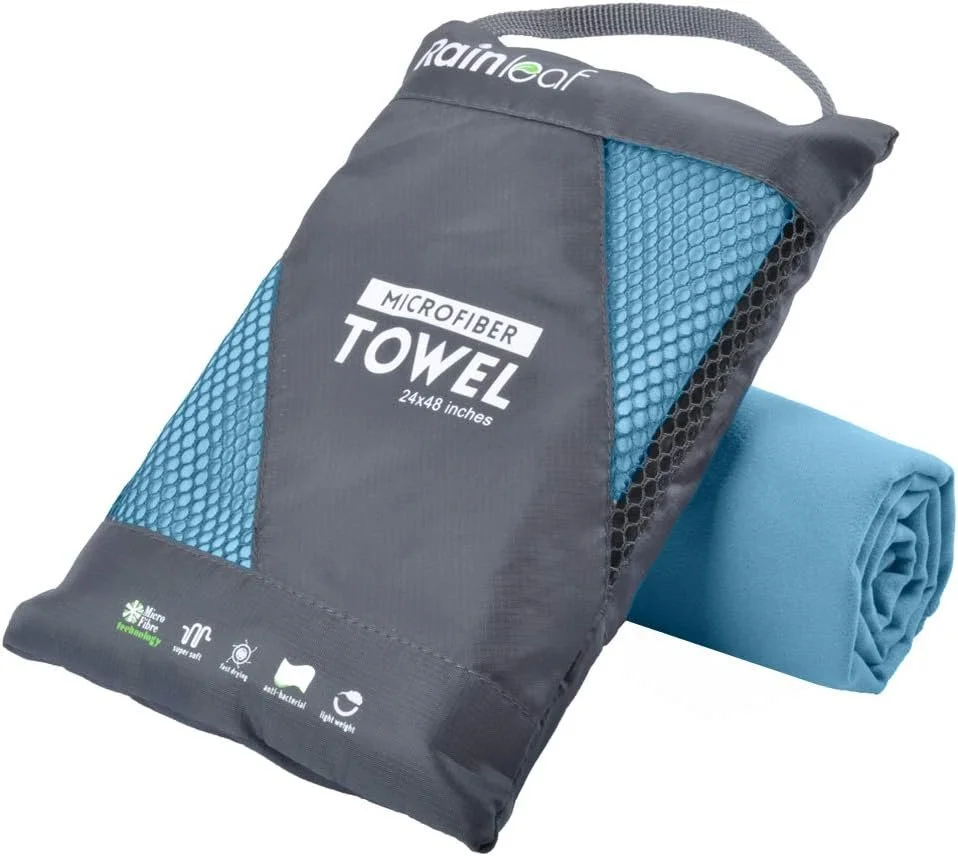
Rainleaf Microfiber Towel (XL)
It comes with a breathable mesh bag, has a loop for hanging on a nail (crucial in rural bathrooms), and is antimicrobial. Get the XL size so it actually wraps around you.
6. The Multitool
Why you need it: You will use this to cut fruit, fix your stove, open packages from home, remove splinters, and tighten loose screws on your furniture. It is the toolbox you can carry in your pocket.

Leatherman Wave+
It has 18 tools, including pliers, wire cutters, and a serrated knife. It’s an investment, but it comes with a 25-year warranty.
7. An E-Reader (Kindle)
Why you need it: Books are heavy. One Kindle holds thousands of books and weighs less than a single paperback. Peace Corps Volunteers read voraciously.

Kindle Paperwhite (Waterproof)
The battery lasts weeks, and the Paperwhite screen looks like real paper even in bright sunlight. Plus, the new ones are waterproof—great for reading by the river or bucket bath.
8. Packing Cubes
Why you need it: You will likely live out of your suitcase during training (the first 3 months). Packing cubes keep your clothes organized and compressed so you aren't digging through a chaotic explosion of clothes every morning.
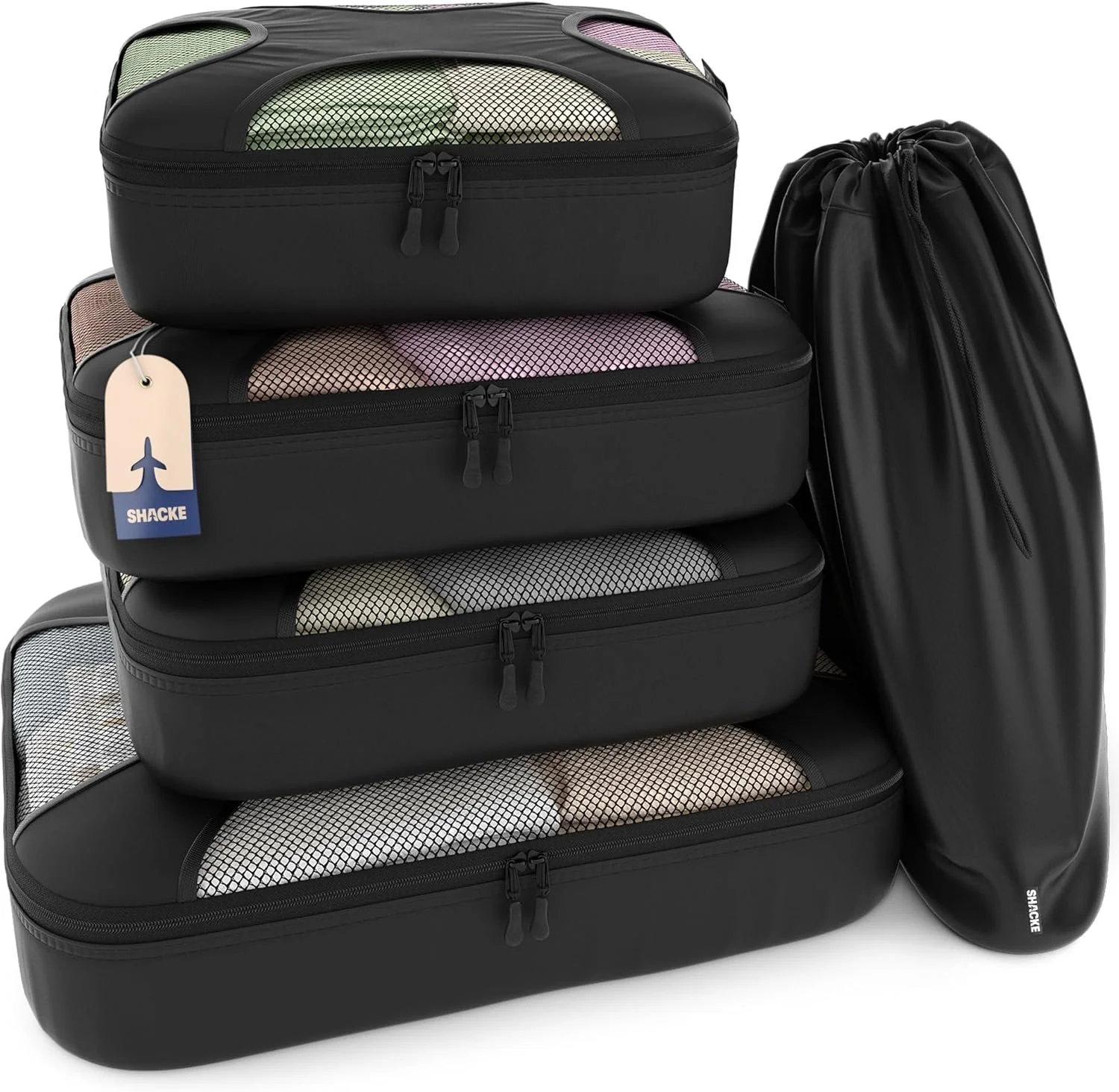
Shacke Packing Cubes
Reasonably priced and sturdy. The zippers are strong and mesh tops let you see what’s inside.
9. A Solar Lantern
Why you need it: Similar to the headlamp, but for ambient light. When the power goes out, a solar lantern turns your room from a pitch-black cave into a cozy space where you can journal or cook.
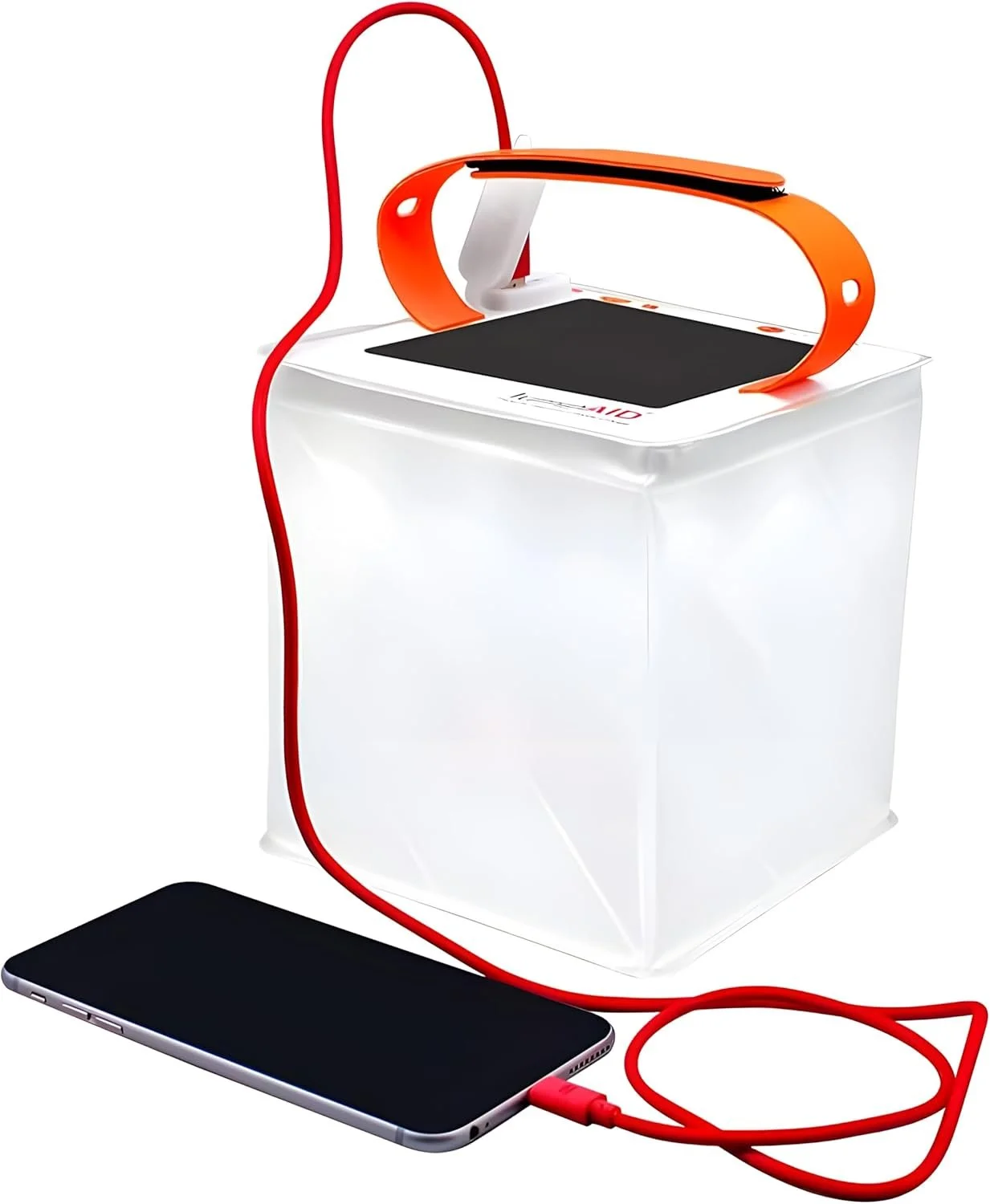
LuminAID PackLite 2-in-1 Phone Charger
It inflates flat to save space, charges via solar panels on the back, and can even charge your phone in an emergency.
10. A Durable Daypack
Why you need it: You have your big luggage, but you need a solid backpack for daily use—going to the market, training sessions, or weekend travel.
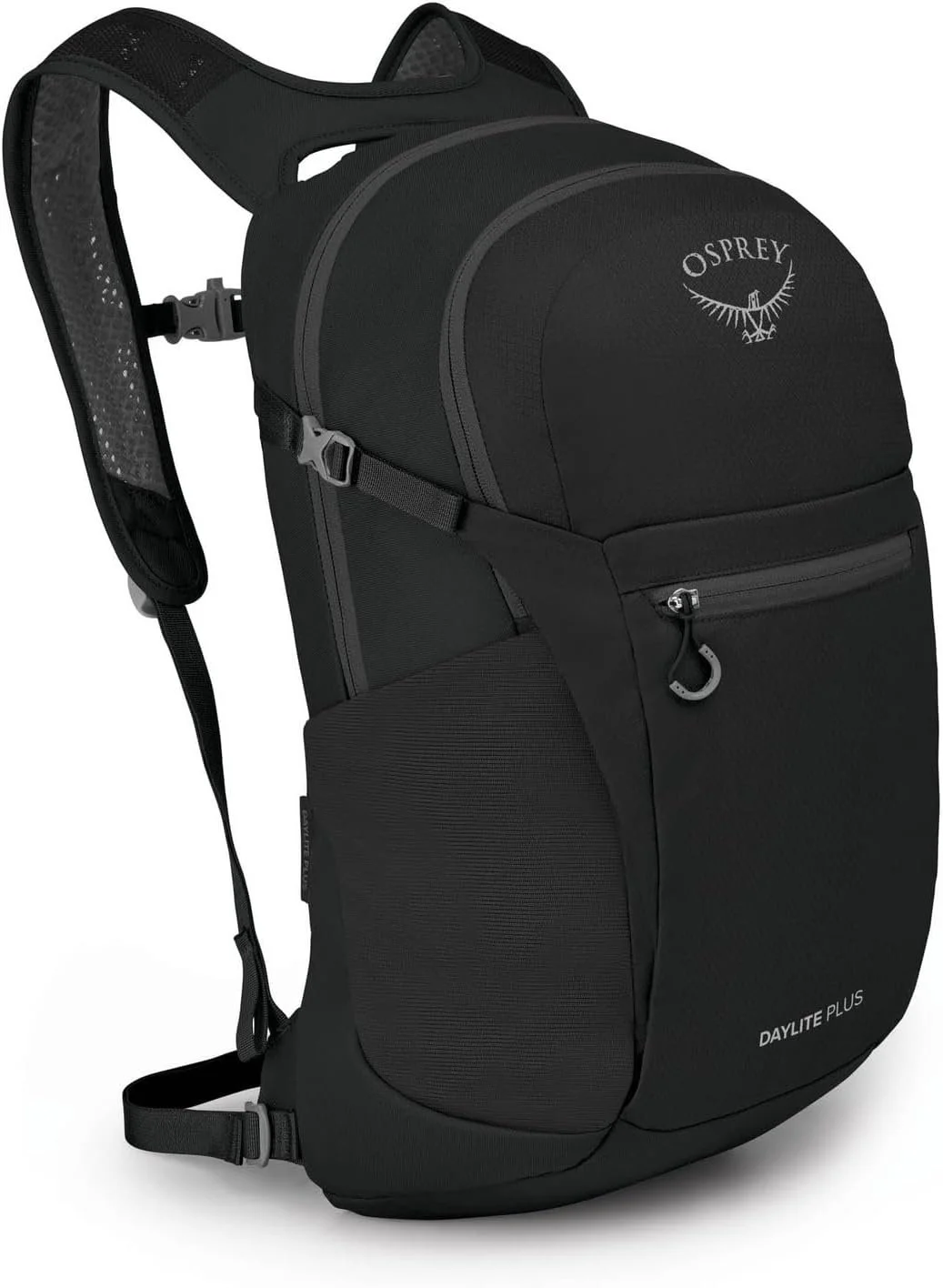
Osprey Daylite Plus
It clips onto larger Osprey bags, has a hydration sleeve, and is backed by Osprey’s "All Mighty Guarantee" (they will fix it for free, forever, even if you break it in the field).
One Last Tip
Don't forget to grab some gear to represent your service! Check out the official National Peace Corps Association (NPCA) store for hoodies, mugs, and journals to bring a piece of home with you.


Soft, breathable, and made to move with you—this classic Peace Corps tee is your new everyday go-to.
Key details
100% combed and ring-spun cotton (Heather colors contain polyester)
Pre-shrunk for consistent fit wash after wash
Side-seamed construction for better structure and durability
Shoulder-to-shoulder taping for added comfort
Supporting the community: 100% of profits from this item go directly to the National Peace Corps Association.
Made-to-order & worth the wait: Your gear is custom-printed the moment you check out. Please allow 5-7 business days for production and another 5-7 business days for shipping. Most orders land on your doorstep within 2–3 weeks.
If your size isn’t listed, please reach out - we'll be happy to place a custom order.
Returns: Size & color choices are final. We’ll remake or refund items that arrive mis-printed or defective, just contact us within 30 days.
🧳 Volunteer Essentials: Gear to Help Your Peace Corps Journey
Packing for 27 months of service is equal parts exciting and overwhelming.
You’re preparing to live simply, travel light, and adapt to new surroundings, but the right gear can make a huge difference in comfort and peace of mind.
This list, compiled from RPCV recommendations, highlights versatile items that last, pack small, and solve real problems in the field.
Note: Some of the links below are Amazon affiliate links, which help keep Pathway to Peace Corps up and running. If you make a purchase through one of these links, we may earn a small commission at no extra cost to you. Thanks for supporting our work!
🌞 Everyday Must-Haves
Reliable Travel Backpack
Your backpack will become an extension of you — whether you’re commuting to training, visiting nearby towns, or hopping a long bus ride. Look for one with solid back support, multiple compartments, and a water-resistant shell.
Durable Luggage or Duffel
Peace Corps travel can be rough on bags. A sturdy wheeled duffel or large packable suitcase keeps everything organized from staging through service.
Lightweight, Quick-Dry Towel
A microfiber towel dries fast, packs small, and doubles as a blanket or picnic mat — ideal for travel or homestay life.
Water Bottle with Built-In Filter
Access to clean water varies from site to site. A durable, refillable bottle with an integrated filter keeps you hydrated and cuts down on plastic waste.
Solar or Hand-Crank Lantern
Essential for sites with limited power. A small solar lantern charges during the day and lights your space at night — no batteries required.
Lightweight Headlamp
Hands-free light makes a world of difference during power outages or late walks to the latrine. Choose one with multiple brightness settings.
💻 Tech & Digital Essentials
External Hard Drive or SSD
Great for backing up photos, sharing movies, or keeping training materials offline. Solid-state drives (SSDs) are faster, lighter, and more durable for travel.
👉 Shop portable SSDs
Universal Travel Adapter with USB Ports
Different countries mean different plug types. A universal adapter with USB ports keeps your gear safely powered anywhere.
👉 Find your adapter
Solar Charger or Foldable Panel
For sites with limited electricity, a small solar charger can keep phones and batteries powered off-grid.
👉 See solar chargers
🩳 Clothing & Comfort
Lightweight Rain Jacket
Stay dry through sudden downpours. Breathable, packable rain shells handle humidity without trapping heat.
👉 Shop lightweight rain jackets
Comfortable Sandals
You’ll live in these. Sturdy, quick-dry sandals like Tevas or Chacos work for daily wear, showers, or dusty hikes.
👉 See durable sandals
Hiking Boots
You’ll also live in these. A reliable pair of insulated, waterproof boots will keep your feet dry during cold rains or mountain winters and stand up to daily wear.
👉 Find hiking boots
Quick-Dry Underwear & Socks
Avoid cotton — synthetic or merino blends dry faster, resist odor, and stay comfortable in hot or humid conditions.
👉 Browse travel underwear
📚 Experience
Travel Journal or Notebook
Documenting experiences helps you reflect, stay grounded, and capture stories worth remembering.
👉 Shop journals
E-Reader or Lightweight Tablet
Load it with books before you leave — perfect for downtime, training, or quiet nights in.
👉 Browse e-readers
Portable Bluetooth Speaker
Bring music and connection to your space. Compact speakers can last weeks on a charge and turn a quiet evening into a shared moment.
👉 Explore portable speakers

The Peace Corps Application Process in 2025
The first step…is to take the first step.
On March 15, 2020, the Peace Corps evacuated nearly 7,000 volunteers from 62 countries worldwide - a first for the 63-year-old agency.
It wasn't the smoothest evacuation, but today, the Peace Corps is back in action.
The Peace Corps subreddit is abuzz with anticipation as aspiring volunteers share details of their recent interview or express the joy of accepting an invitation.
It's a positive development - one that can inspire a brand new generation of would-be volunteers to wade into the invitation process and begin looking outward toward a future abroad.
This article is updated from previous years to help navigate the 2 years, 3 months 2025 Peace Corps Application. If you have any questions, feel free to drop a comment.
Good luck, and thanks for stopping by.
*A quick note* - This article covers the application process in-depth. The idea is that you can return to this article throughout your experience to prepare for each step. Generally speaking, application to departure is 7-9 months.
What we’ll cover:
Finding a recruiter
Application process
Interview Process
Invitation
Medical & Legal Clearance
Onboarding
Departure
FINDING A RECRUITER
First things first - you might consider connecting with a Peace Corps Recruiter.
The official Peace Corps page says that applicants who work with a recruiter are 55% more likely to become volunteers. Considering that there are nearly 70 recruiters nationwide, there’s little reason to not reach out to one in your area.
There are a couple of options to help you start this process.
Option 1: Go directly to the Peace Corps Volunteer Openings page and peruse what role you are interested in taking on.
Bonus: You can always roll the dice and apply to go anywhere. (Warning: Only for the bold)
Option 2: Connect directly with a Peace Corps recruiter. The website gives you multiple ways to locate the recruiter closest to you. Peace Corps recruiters can generally be found at your local university.
As soon as you have located your nearest Peace Corps recruiter, you can reach out via email or go retro and give them a phone call - your choice.
APPLICATION PROCESS
Let's say you now have a Peace Corps recruiter. Let's also say you have your country and project in mind. Together, you and your recruiter will decide if moving into the formal application process is the right course of action.
For the sake of this article, let's assume you decided to move forward. Good for you!
Take a final moment to read through the project description, required skills, living conditions, medical considerations, and departure times before you officially begin the application.
Why do do this?
Because you can only have one application open at a time. You will need to commit to the country and role you are applying to.
If you change your mind, no problem. Simply close out your application and start a new one.
While the application itself is relatively straightforward, you’re reading this article to learn and avoid any surprises. So let's get into the weeds.
First, you'll want to create your account profile. There is no mystery to this. Simply provide your name, date of birth, phone number...etc.
Just the basics.
Once that has been completed, you arrive at the introduction page of your application. It will show your targeted project and volunteer title and give you an estimated completion time. It usually takes around 55-60 minutes to finish.
Bonus: You can save and return at any stage. Make sure to take breaks if you start getting fidgety 🚽.
Next, you will run the gauntlet of standard government questions.
Are you a U.S citizen?
Will you be 18 by the time your flight leaves?
Who did you vote for in 2024? -- Okay, that one is a joke.
Next, we move onto the personal information:
Address
Phone Number
Do you remember your social security number? Hope so.
Now onto some easy questions.
Have you served in the Peace Corps before?
Are you married, or looking to serve with a partner (this is an option)
Do you have any dependents?
Criminal record?
Upcoming court date?
Bonus: Don't worry too much about this stuff. The best strategy is to be honest on the application and explain any exceptions to your recruiter.
Do you take Drugs?
Are you a spy? -- get used to that question!
Are you involved in Peace Corps Prep?
Do you speak any foreign languages? What is your experience with the project you are applying for; do you have agricultural experience? Have you done any business consulting?
...Phew
We made it to the essay question. Unlike past years, you only have to write one essay for the updated Peace Corps application.
This is good and bad.
The essay is what the Peace Corps uses to assess your professionalism and maturity as a candidate. Essay topics vary but are usually based on your reasoning for serving as a Peace Corps Volunteer and how you plan to overcome the challenges you will likely face.
Bonus: Don't shy away from a little extra help (Dictionary) (Thesaurus) (Grammarly).
Alright!
We're almost done.
Now, just gather three references.
Select your ethnicity and race (you can always choose that you'd rather not respond).
Date. Sign.
Incredible job! Now it is time we move onto the interview process.
INTERVIEW PROCESS
Once your application is approved, you will receive an email with information to schedule your Peace Corps interview. In past years, the Peace Corps would have face-to-face interviews, but we now live in a post-Covid world and it looks like video calls are the preferred method now.
Bonus: The interview process, while stressful, should not worry you too much. We will cover some questions and provide some helpful interview tips. Don't worry, you've got this!
When the email arrives, make sure to set up your interview quickly. Peace Corps gets a lot of applicants; so if you get a spot, make sure to take it.
Bonus: Read these best practices if you are nervous about having a virtual interview.
As you prepare for your interview, it is not necessarily the best idea to write out all of the questions you think will be asked so that you have a pre-recorded response. Instead, being natural and fluid in your answers is the best strategy.
A quick disclaimer!
The interview will vary a lot based on what sector you are applying for and where you are going. That being said, the questions below will give you an excellent outline of what to expect and will help you feel prepared for the big day.
The interview is generally separated into three parts.
Part 1:
Why do you want to be a Peace Corps Volunteer?
Why do you want to serve in the (pick your sector)?
Why do you want to serve in this part of the world?
Would you be willing to serve in other parts of the world and/or other sectors?
If so, which countries and/or sectors?
Part 2:
Tell me about a time when you had to adapt to living or working with people from another culture. Have you stayed in touch or visited them?
Tell me about a time when you worked in an unstructured situation. Were you effective or successful?
Tell me about the most meaningful situation you have experienced helping others. What motivated you?
Tell me about a time when you had to fulfill an important obligation but it ended up being harder than you thought.
Tell me about the most challenging experience you have had working in a team.
Tell me about a time when you were able to transfer knowledge or skills to others. Walk me through your lesson plan. What challenges did you face?
Tell me about a challenge you faced with little or no support.
Tell me about a stressful time in your life. How did you cope?
...Phew. Let's take a moment to breathe.
Bonus: Soft skills are difficult to gauge from a resume or essay. When answering these questions, try to draw from past experiences and explain how they educated or empowered you. Be prepared for followup questions!
Part 3: (This part is more informal and opens up with a Q&A. Make sure to have some questions.)
Different foods that you're used to (vegetarian, vegan, etc.)
Health concerns
Living without electricity or running water
Privacy concerns
Geographic isolation (link to life on the ground)
Gender roles
Minority challenges
Lack of access to one's religious services
Alcohol (in cultures where its either excessive or prohibited).
INVITATION
Congratulations on getting through the interview! The following steps are an invitation, medical and legal clearance, onboarding, and departure!
Let’s keep going.
The Peace Corps invitation process, while exciting, is incredibly underwhelming.
Generally speaking, you are told that you have been invited to a specific country and sector (hopefully one of your choosing) and will be given a decent amount of literature to review.
You will want to review the material given (sector and country information, Peace Corps facts and figures, etc.) and formally accept or decline your invitation.
Next, bookmark this page and follow it as closely as you can.
MEDICAL AND LEGAL CLEARANCE
We won't mislead you...the medical clearance process is challenging; the legal is pretty cut and dry.
You'll receive an intense checklist of medical and dental assessments that you need to complete.
The process can be sensitive and aggravating, or it can be painless and straightforward - like all medical situations, it is highly personal.
Information is your friend during this step.
The Peace Corps does a nice job laying out the facts here. Make sure to study your reimbursement options carefully so you don’t come out of pocket more than you need to.
ONBOARDING AND DEPARTURE
The big day is getting closer and closer!
You went through all of the steps. You aced your interview and passed the health requirements.
At this point, you’ll want to review the preparation and training page, post on reddit to find other volunteers in your cohort, and consider following some Peace Corps Volunteers in your future country on social media.
Bonus: Don't be surprised if your itinerary changes once or twice before you actually depart! Remember, adaptability is key.
CLOSING THOUGHTS
You’re getting ready to do a big day!
It's normal and expected to feel anxious, nervous, scared, excited, and dizzy. But we all go through it.
The best advice is to connect with your cohort as soon as possible. Then, start envisioning yourself as a Peace Corps Volunteer and be proud that you've made it this far.
Don’t forget to take advantage of the Peace Corps Discounts and enjoy your time at home before you depart.
Remember to smile and have fun!
Please remember to…Like. Comment. Share.

Peace Corps Facts and Figures
Sometime the Peace Corps can seem too big to understand. With 7,000 plus volunteers and a budget of $410 million, where does one individual volunteer fit in? In this article we aim at making the Peace Corps seem more real by laying out some facts and figures compiled by the Congressional Research Service. Take a look behind the curtain.
“A peak behind the curtain”.
On June 26th, 2019, the Congressional Research Service (CRS) assembled a detailed yet reader friendly overview of the Peace Corps to keep members of Congress informed on the organization.
If you’re interested in reading the document for yourself, it’s a concise and enlightening read.
For the rest of us that appreciate cliff notes, we’ve listed out some of the most interesting points that are relevant to Peace Corps applicants and Returned Peace Corps Volunteers alike.
Main Take Aways:
Volunteer Demographics and Program Sectors
Peace Corps Budget
Agency Assessment and Legislation
Post Service Benefits
A quick P.S.A - not to our surprise, a congressional research report is quite dense and a bit dry. We re-compiled this information because it’s interesting and useful knowledge. This article is to help you get the lay of the land when considering the Peace Corps and to better understand the organization from an aerial perspective.
Volunteer Demographics and Program Sectors
Efforts to make the Peace Corps Volunteer community better reflect American society has proved successful. With a considerable increase from previous years, 32% of volunteers identified as minorities. Female representation remained fairly constant at 63%, and the median age of Peace Corps Volunteers stood at 25.
99% of volunteers claimed to be single, and 85% of volunteers started their service right after college graduation.
The Education Sector reigned supreme, representing 42% of the volunteer community. The health sector held 20% and the remaining sectors hovered a little under 10%. Sub-Saharan Africa makes up the core of service locations for volunteers, with Latin America and Eastern Europe / Central Asia following behind.
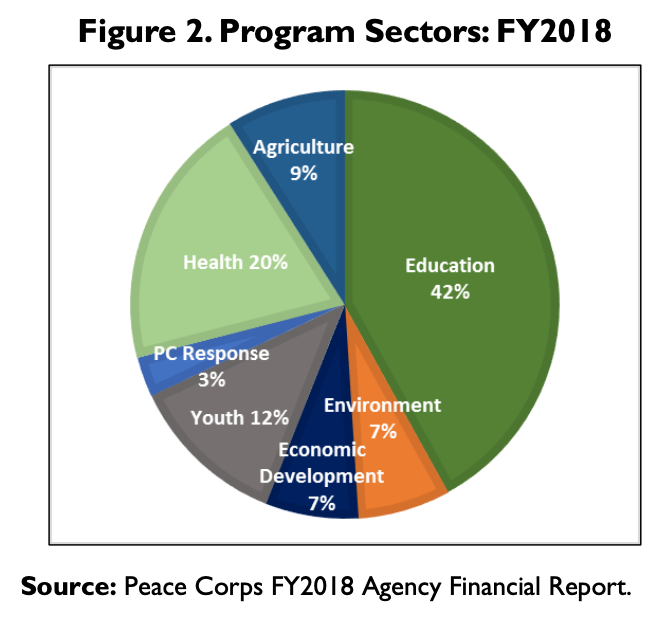
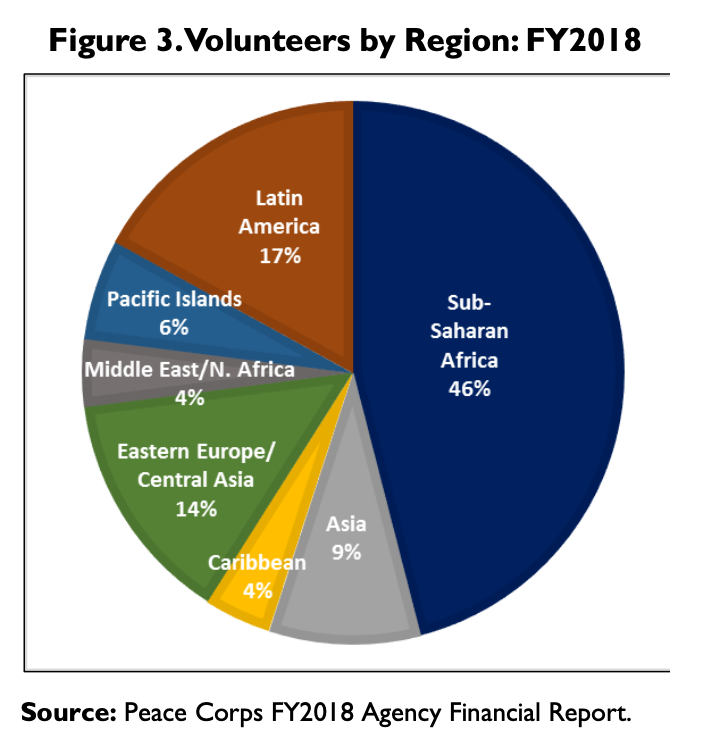
Perhaps the most ironic insight from this section was that Congress set a policy in 1985 to maintain a Volunteer force of at least 10,000 individuals.
This goal has never been reached - the closest being 9,095 in 2011, which is likely due to the funding increase from FY2010.
Since then, there’s been a steady decline in volunteers which has mirrored a declining Peace Corps budget.
To date, volunteer levels hover around 7,000. The National Peace Corps Association suggested that to achieve the 10,000 volunteer goal by FY2022, an appropriation of $600 million would be required. That would be a considerable increase from years past, but provides a nice segue into our next point.
Peace Corps Budget
The Peace Corps’ funding has been static at $410 million since 2016.
On June 19th, 2019, the House approved appropriations that provided $425 million for the Peace Corps, which would be a 3.6% increase from the previous year. However, it doesn’t look like that came through.
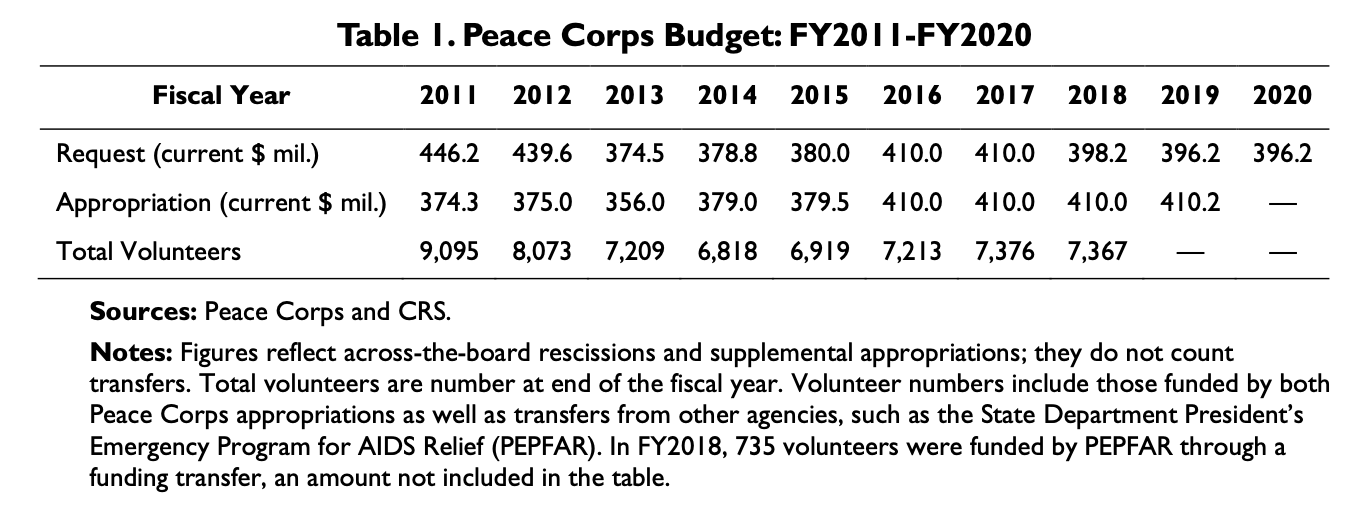
Each year the Peace Corps justifies their budget to Congress, showing a breakdown of regional costs and strategic visions.
We’re working on a future article that will comb through The Peace Corps Congressional Budget Justification for fiscal year 2020.
Feel free to scan the 158 page document if you’re curious and don’t feel like waiting for us to finish.
Agency Assessment and Legislation
Sexual assault and volunteer health and safety have been front and center in the Peace Corps’ strategic vision over the past decade.
There have been considerable reforms in this area.
Though there was general agreement that the Kate Puzey Act of 2011 was well implemented, security concerns persisted, culminating in the recently signed Sam Farr and Nick Castle Peace Corps Reform Act of 2018.
This reform advanced several existing Puzey Act mandates and made the Office of Victim Advocacy a permanent part of the Peace Corps’ organizational structure. Additional actions include
the Peace Corps must submit an annual report to Congress on safety and security matters;
volunteers must receive sexual assault risk reduction and response training;
requires the development and training of sexual assault protocols to staff;
establishes alternative reporting systems.
Volunteer safety is a multilayered challenge that the Peace Corps appears to be taking seriously. For a more detailed review of this important law, look to page 10 of the CRS report.
Post-Service Benefits
There are many intangibles benefits of Peace Corps Service. For the sake of brevity, we’ll only highlight the things we can see, touch, and buy stuff with.
To help restart life post service, a readjustment allowance of $350/month accrues for the duration of the volunteers’ service.
Some argue this is not enough money, but, we are volunteers. If you ignore opportunity costs, this can be a substantial amount of money - though tax free status would be a nice touch.
On the Student Loan front, Volunteers pursuing the Public Service Loan Forgiveness Program can count ‘payments made’ during service. If you’re considering to defer your Student Loans during service, read How Peace Corps Volunteers handle student loans.
With respect to health insurance, Volunteer’s coverage continues for one month after service, with the option to extend an additional two months. This extension would be paid by the volunteer through their readjustment allowance. This benefit is ripe for reform and Congress is investigating an extension to this program.
To close, Noncompetitive eligibility (NCE) and the Coverdell Fellowship Program are two additional post-service benefits that are too often left on the table.
The Coverdell Program helps pay for Graduate School.
NCE status allows volunteers to skip to the front of the line with participating federal jobs.
The art of finding work after Peace Corps can be overwhelming. We have a future article examining Noncompetitive eligibility and the RPCV Career Link, coming soon.
Final Thoughts
We as volunteers devote 27 months of our lives to the Peace Corps organization. The agency makes public so much information but it is too often overcomplicated and hidden in the far corners of a .gov website.
We hope this article made the Peace Corps agency seem more real.
As you prepare for service, continue informing yourself. It’s no small thing what you’re considering, but it will make all the difference.

Having a Pet in the Peace Corps
Adopting a community pet is a popular choice of many Peace Corps Volunteers. They’re cuddly, cute, and keep you company. But what to do when Peace Corps Service is over? Learn how to bring your Peace Corps Pet home in this article!
It is very common to adopt a pet while serving as a Peace Corps Volunteer. It can be stressful living and working in a foreign country for such an extended period of time. The comforting hum of a cat’s purr or the happy greeting of a dog can do wonders for your anxiety levels and can often add an incredible amount to your Peace Corps Service.
That being said, our parents were on to something when they told us that pets are a lot of responsibility.
First things first, pets care is not the same in every country. Animals around the world are commonly seen as utilitarian. A dog is an inexpensive security system and a cat keeps mice and spiders away from the house.
Before you commit to a pet, have a conversation with your counter-part and trusted community members. Identify potential risks for your pet and find someone that will watch over it while you are out of site.
Second, seriously consider what you will do with your pet once your service is up. Animals quickly become dependent on their guardians and may not fair so well if thrown back into a culture that does not value its companionship qualities.
Many Peace Corps Volunteers opt to leave their pet with the volunteer that follows-them-up in their site while others decide to take their fur-children home to the United States.
In this article, we’ll layout the process and provide references that will help you get your Peace Corps Pet back home safely.
At a glance:
Review the updated process per the CDC
Verify what health certificates are required for your pet and region
Review your State requirements
Get in touch with your Airline
Equipment needs
Average cost
Best advice
Center for Disease Control and Prevention
The CDC regulates the importation of many different types of animals. As long as you’re not trying to import a horse, fish, or small rodent, this CDC webpage is going to be your first step.
The website is surprisingly intuitive. Select what animal you are bringing into the United States and read the updated requirements.
Bringing a cat seems fairly simple. There isn’t a federal requirement to provide a health certificate, but the cat will be inspected by the port authority.
Dogs are a bit more work, but are unquestionably worth the effort.
Take special note of the Rabies Vaccine requirement by country, so that you are not caught off guard when you arrive in the U.S.
United States Department of Agriculture
The USDA mirrors much of what is found on the CDC website but offers a path to additional requirements placed by your home State.
Simply select the animal you are brining into the United States from the given list. Take note of any updated certificates that need to be accounted for based on the animal and geographic regions.
Next, scroll down a bit and select your home state. You will be re-directed to a requirements page outlining that State’s guidelines.
Airline Policies
Each Airline will have their own policy and price tag for flying your pet home. A lot of times these policies are dependent on the size of the pet, given the amount of cargo space that is needed. Below is a list of the major airlines policy pages.
Equipment
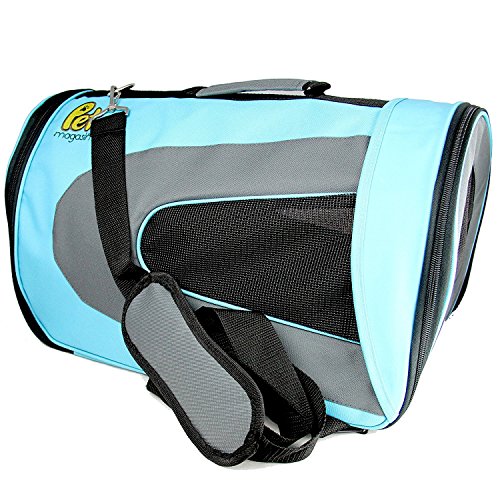
Pet carriers are required to be big enough to allow room for your pet to stand up without needing to duck or crouch. They also need to be able to turn around completely while inside the crate.
It is recommended that you measure the height and length of your pet, and find a carrier that matches these measurements while leaving some wiggle room.
Depending on the duration of the flight home, some airlines require that you also include a food and water bowl to be stored inside the crate. This is generally used during unforeseen flight delays or long layovers.
Below are industry standard items that you can use as a reference when looking for reliable equipment in your host country.


Cost
Seeing as each pet and flight will be different, it’s tough to give an exact number. If you’re bringing home a smaller pet, you could be looking at only a few hundred dollars.
A large dog could run you nearly $1,000.
Your readjustment allowance should help you with this cost, but it is important to budget ahead of time.
Best advice
Reach out to current and former Volunteers that are serving or have served in your host country; chances are others have committed to flying their companions home as well. Volunteers who have gone through the process will be a great resource for you.
Congratulations on making it through this article and preparing yourself for your Peace Corps experience. You can find more information about Preparing for the Peace Corps, Peace Corps Discounts, and Concerned Parents in our other articles.
Remember you can support this website by clicking the ‘support' button and purchasing all of the items you'll need for the upcoming experience through any Amazon Affiliate link. Anything you buy, we get a small % from Amazon. It really helps us keep the site updated and running.
Hope to hear from you!
Like. Comment. Share.

How to entertain yourself during your Peace Corps Service
As we prepare for the Peace Corps, we so often focus only on the projects we hope to lead and fail to recognize how much downtime we will actually have. Brace yourself…you will have a lot of downtime. Learn how to fill it with the useful tips in this article!
Downtime…
Those precious moments in between community projects where you have no gardens to build, no families with which to have lunch, no sex-ed seminars to lead, and no class to teach.
As we prepare for the Peace Corps, we so often focus only on the projects we hope to lead and fail to recognize how much downtime we will actually have.
There is something you should know…you will have a lot of downtime.
The classic move with handling downtime is to grab a good book or put on your favorite show. Assuming that most Peace Corps Volunteers don’t maintain a Netflix subscription (as if there was enough internet to justify it) and are not lugging around a suitcase of hardcover books - we’ve created a short cheatsheet to help you prepare beforehand.
*A quick disclaimer* - We here at Pathway to Peace Corps are utterly indifferent to the means in which you acquire your media content. While we share tips on how to obtain books and movies with and without purchasing them, we do not condone nor judge what you ultimately do.
No judgements over here. And with that…let’s get started.
A good book:
Local and City Libraries deserve a crisp high-five for their efforts in staying relevant in the digital age. With nothing more than a library card and the Libby App by Overdrive, you can locate your city library and download e-books at your leisure. Whether you like to read on your phone or a Kindle, you can choose to stockpile on books before you come or strategically siphon internet here and there to update your bookshelf during your Peace Corps service.
Another wonderful (but perhaps controversial) option is z-library.

Honestly, we have no idea how to explain this. All we know is that the website boasts having just shy of 5 million books available for free download and that it actually works. You have the option to download as an ePub or to send a version to your Kindle. The website is simple and clean. There are no aggravating popups that you have to fight off, and if you’re looking for a way to contribute to the site, they have a place for donations.
Movies, Music, TV, oh my:
There are two popular avenues to take when shipping off for your Peace Corps service. One option is to pack your external hard drive with as many movies and shows that you possibly can. The second option is to bring an empty external hard drive with you and simply copy all of the movies and shows that the option one people brought with them.
Both sound choices. Choose your own adventure.
If you choose to go with option one, find yourself a nice BitTorrent application (uTorrent is a popular choice) and download away. Websites like Reddit and Quora can help you find active and reputable peer-to-peer platforms.
If you are new to the P2P world and don’t know how to get started, this video is helpful.
Final Thoughts:
It is almost a guarantee that someone in your PCT group will have a loaded external hard-drive and be happy to share their files. So to this end, try not to worry too much about hoarding media content before you depart.
Don’t forget, with the inescapable downtime that you will experience during your 27 months as a Peace Corps Volunteer, you can always do more constructive activities that will help you grow as a person. We’ll offer some tips on that in a future article!
Congratulations on making it through this article and preparing yourself for your Peace Corps experience. You can find more information about Preparing for the Peace Corps, Peace Corps Discounts and Concerned Parents in our other articles.
Remember you can support this website by considering the Monthly Deals, or clicking the ‘support' button and purchasing all of the items you'll need for the upcoming experience through any Amazon Affiliate link. Anything you buy, we get a small % from Amazon. It really helps us keep the site updated and running.
Hope to hear from you!
Like. Comment. Share.

Peace Corps Volunteer Discounts
There are a lot of companies that offer discounts for Peace Corps Volunteers. We’re on a quest to find them all.
There is no getting around it.
Preparing for Peace Corps service means making some purchases, especially if you’re not an avid traveler or don’t happen to have a secret stash of quick-dry socks.
As Peace Corps Volunteers, we often work with limited discretionary funds, so finding discounts, deals, freebies, clearance items, or hand-me-downs becomes a survival skill. But there’s a balancing act to consider.
Serving 27 months in a foreign country demands reliable, high-quality gear. You’ll likely face extreme weather, unpredictable power surges, and the occasional stray dog that thinks your backpack is a chew toy. The good news? Preparing wisely doesn’t have to cost a fortune—it just requires some savvy planning.
That’s where Peace Corps Volunteer Discounts come in.
Thanks to the collective efforts of past Volunteers, we’ve compiled, confirmed, and reviewed a variety of brands that offer generous discounts specifically for Peace Corps Volunteers. Most of these discounts are in the form of a ‘Pro-Deal’ but we are continuasly reaching out and finding new companies that offer high-quality gear without breaking the bank.
Participating companies include:
Adidas Outdoor — Up to 50% off. How to apply: Pro application.
Cotopaxi — Pro pricing on apparel & packs. How to apply: Email customer support with proof of acceptance.
Eagle Creek — Up to 50% off travel gear. How to apply: Discount code application.
ENO — Pro pricing on hammocks/tarps. How to apply: Pro application.
ExOfficio — Up to 20% off apparel. How to apply: Pro application.
Gregory — Pro pricing on travel & trekking packs. How to apply: Pro application.
Kelty — Up to 50% off packs/tents/sleeping bags. How to apply: Pro application.
Leatherman — Up to 50% off multi-tools, lights. How to apply: See Special Discounts.
Marmot — Up to 50% off all outdoor gear. How to apply: Pro application.
Visit the Peace Corps Volunteer Discounts page to view the full list of participating brands.

Preparing to leave for the Peace Corps
Preparing for the Peace Corps is no joke and 27 months is a long time. Don’t worry…we’ve been there and we’ve got some suggestions for you.
“I’m so excited”. “I’m a little nervous”. “What the hell was I thinking”. “Is it too late to back out”?
“I’m so excited”!!!!
As you prepare to leave for your Peace Corps Service, you’ll likely have a lot feelings that go back and forth. That’s normal.
The only thing you can really do to calm your nerves is to breathe, write out your thoughts, and prepare. We’re here to help you prepare!
The things we’re going to discuss are:
The Must Have’s
Consider a spectrum of temperatures - pack accordingly
Start getting a feel for the road
EAT
Leave some of your baggage at home
Just jump
The Must-Have’s:
Alright, now pay attention. The advice below is as good as gold. Your ‘middle of Peace Corps Service self’ is going to cry of overwhelming happiness because you thought ahead to bring the following items.
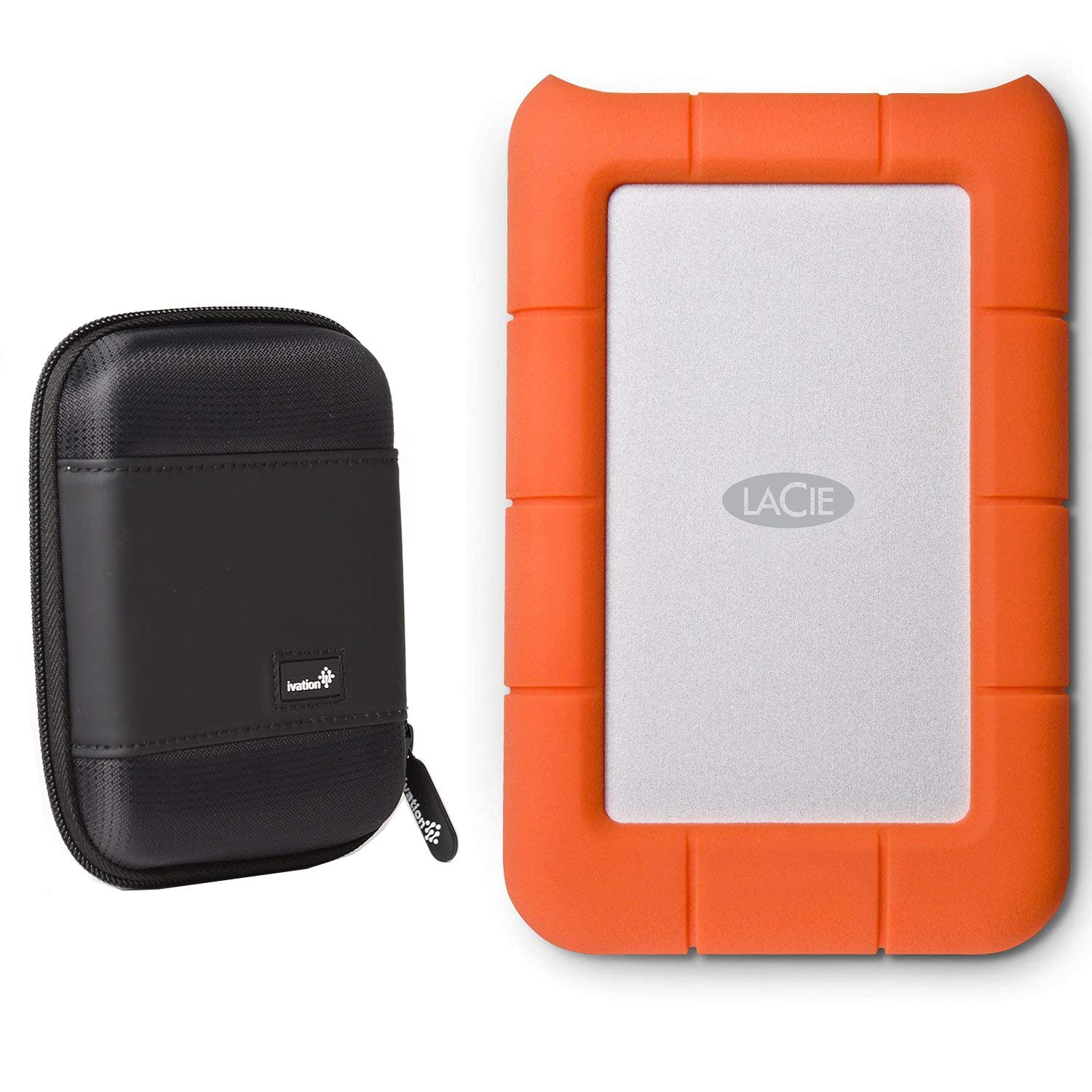
External Hard drive
Music, shows, movies, electronic books and video workouts are going to keep you sane (period). There is an irresponsible and potential liability inducing amount of pirated content in the Peace Corps world. While you may be a big book reader, 27 months is a long time. Bring an external hard drive with you and thank us later.
If you don’t have an external hard drive, consider these fine options:


Computer
The Peace Corps says you don’t need a computer for your service, but, you do.
Or, maybe we should say, it would make your life incredibly less frustrating than it should be.
The Peace Corps requires you to complete a lot of digital documentation over your service. You can take your chances that someone in your site will have a computer or you can trek all the way to the Peace Corps office when you need to fill out something - but the easiest choice is to just bring one with you.
In the market for a computer for your Peace Corps service? Check these out:


Kindle
Nothing is better than holding a new, crisp, and intriguing book in your hands. Nothing is worse than having to re-read that same book 9 times because you don’t have anything else.
Buy a Kindle for your Peace Corps service. Stockpile a spectrum of fiction and non-fiction and prepare to put those scholastic reading skills to the test.
Need a Kindle for your Peace Corps trip? We’ve got you covered:



Adapter/Converter
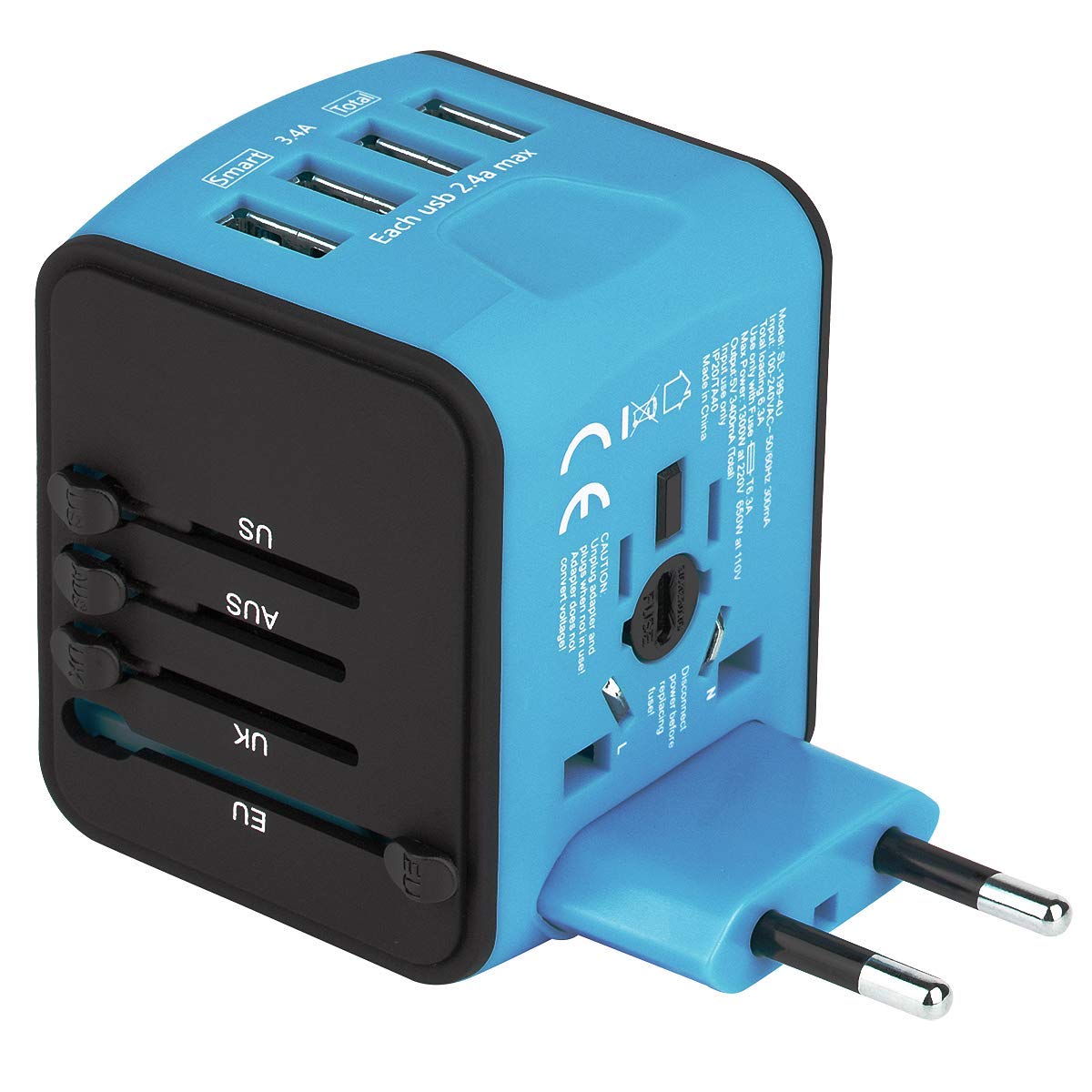
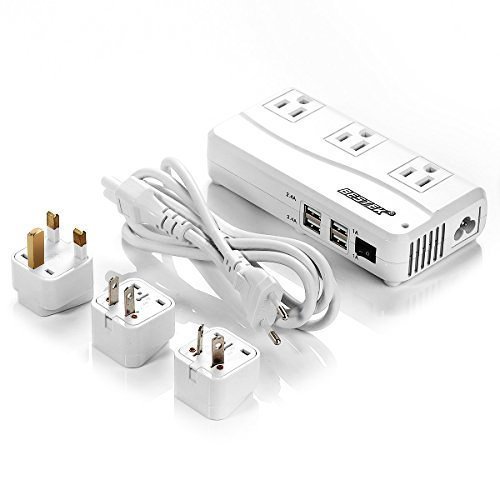
Don’t fry your electronics - and don’t be in the position of having a two pronged plug awkwardly pushing against three round holes. Research your Peace Corps country’s electrical set-up and pack accordingly.
Looking for a good universal adapter or converter in case you travel around? Here you go:


Phone Accessories
Ok. The Peace Corps provides you a phone during your service. This means you are not required to bring your personal phone with you.
But…
A government issued phone for 27 months is about as technically fulfilling as it sounds. If you choose to bring your personal phone, bring some accessories that will get you through.





A journal
It doesn’t have to be a fancy bullet journal or an authentic moleskin. Just a simple journal that will allow you to reflect on this ridiculous experience you find yourself in. One of the most satisfying moments is re-reading the ups and downs of your Peace Corps service.
Here are a couple journal options:



Here is a great YouTube video on how to journal
Consider a spectrum of temperatures - pack accordingly
Africa is hot and Eastern Europe is cold, right? Well, kind of.
The truth is, living in the United States, we get accustomed to controlled temperatures. If it’s hot outside, you turn on the A.C. If it’s cold, you blast the heat.
I’m not saying A.C and heat do not exist in your Peace Corps country of service. But what I am saying is the opportunities you’ll have to experience those luxuries will be few and far between.
Nighttime in African counties can be bitter cold. Walking 10k up a hill in Moldova will make anyone break a sweat.
Do yourself a favor and pack for both conditions, regardless of your country. Below are some easy items that will have a dramatic influence on your comfort.



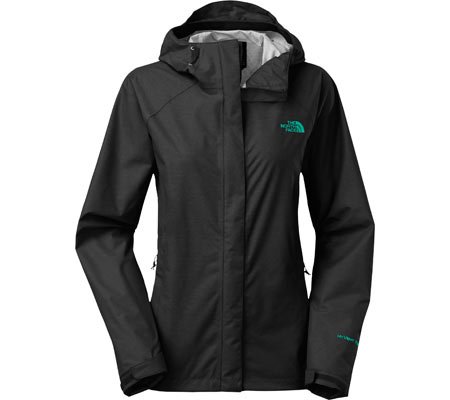
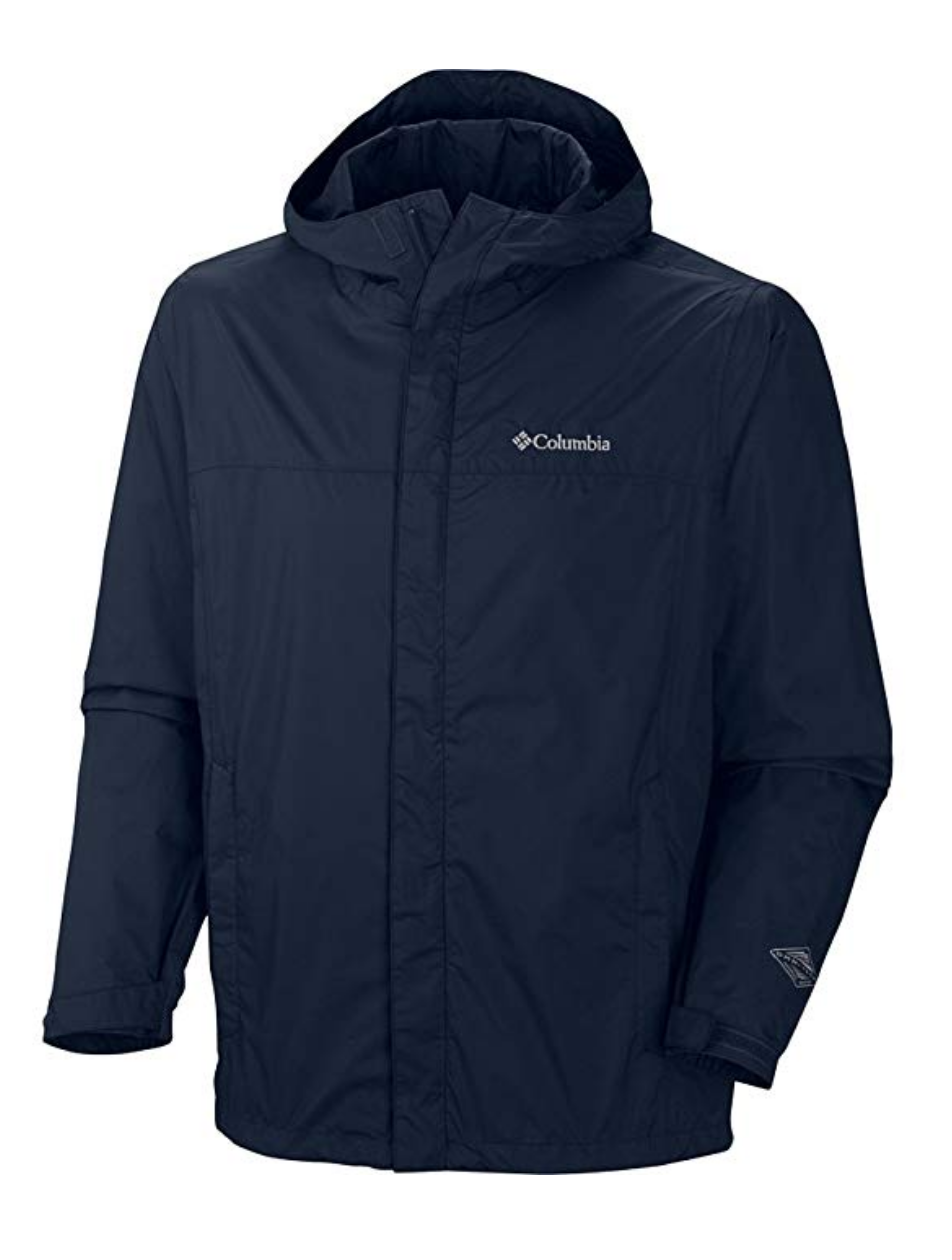
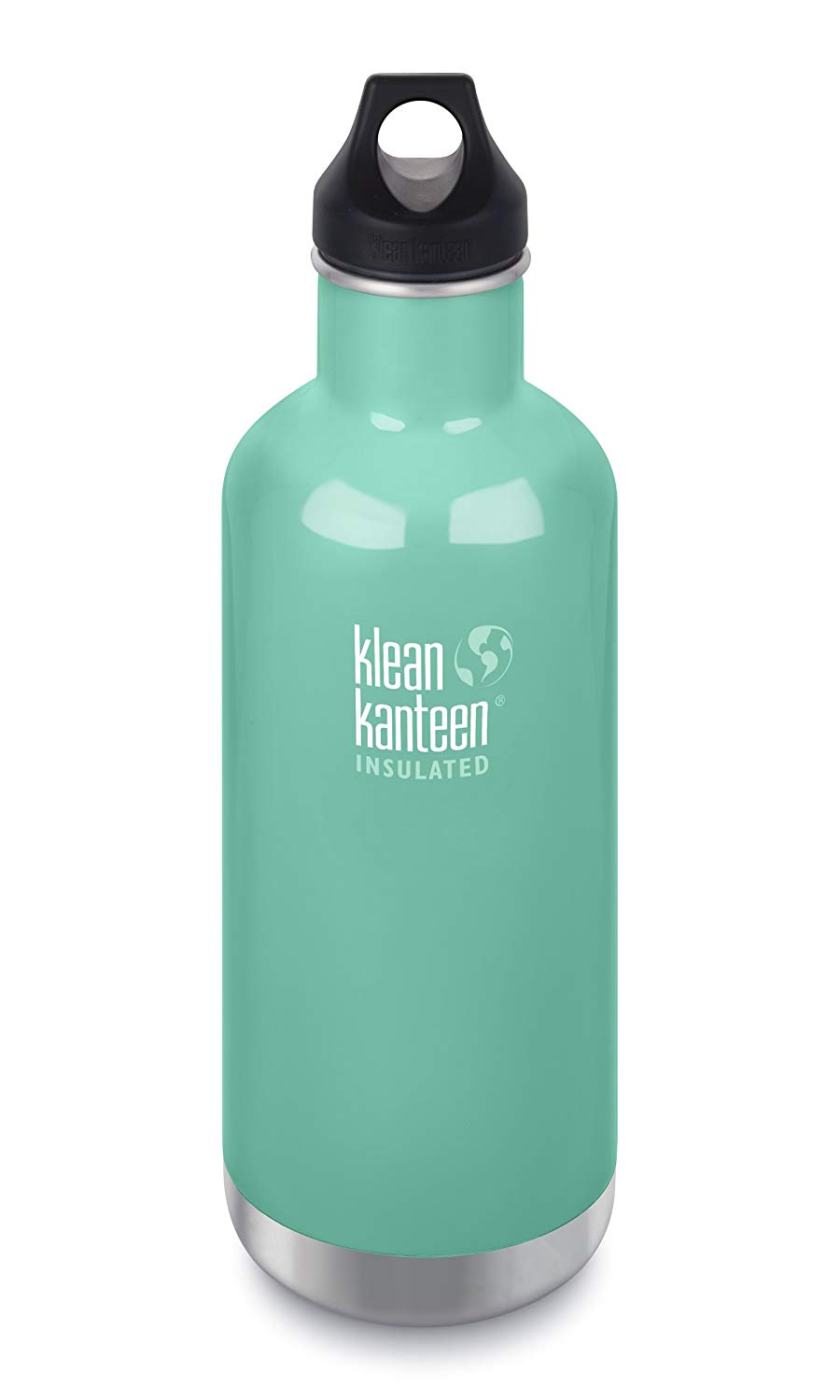
Water Bottles
Ok, picture yourself on a hot, cramped bus for 5 hours or in a cold cement classroom about to teach English at 6:45 in the morning. Having some cold water or hot coffee is just the thing that will keep you sane and happy. Believe us, a good water bottle will pay for itself 1 month into use. The most popular Peace Corps Volunteer options are below.


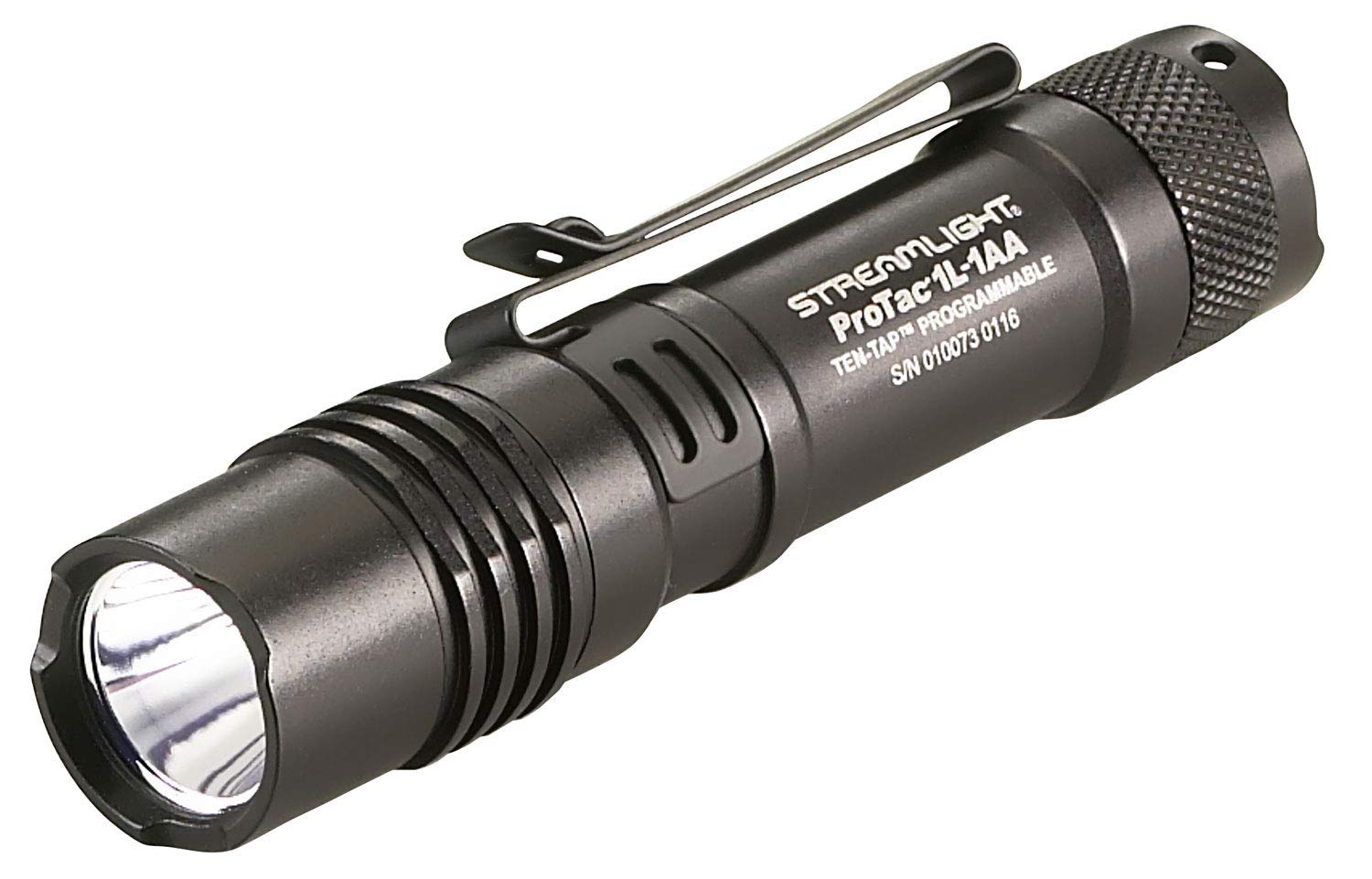
Other Special Items
Every volunteer has ‘their thing’. I for one was always jealous of the volunteer that brought a mini-projector because she simply side-stepped so many technical issues that I had to endure during service. Consider what your ‘thing’ will be.

Start getting a feel for the road
Information is power. We all know this. But as you prepare to leave for the Peace Corps, sometimes you don’t know what to focus in on. We suggest connecting with your fellow cohort of volunteers on Facebook first - once you do, consider sharing this article with them :)
From there, follow @peacecorps on Instagram and look for your country specific Peace Corps Instagram page (i.e. @peacecorpsparaguay, @peacecorpsrwanda, etc).
Sticking with Instagram for a moment - if you’d like to see some funny memes and gifs about Peace Corps Volunteer service, follow @jadedcorps and @howapcvputsitgently. These pages are ran by anonymous Peace Corps Volunteers and Returned Peace Corps Volunteers and they give an exaggerated but funny perspective on service.
Next, learn about your Peace Corps country of service. Type the name of your country into Google News and see what the current events are. Use hashtags on Instagram to find volunteers in your future country of service and try to start up a conversation with them. Finally, try to find YouTube videos and other visual sources to help you get a better idea of the environment.
Eat!!!
Whatever your food-vice might be…indulge it. I kid you not, when you are pushing a year into your Peace Corps Service, you will find yourself laying in bed reminiscing of all the food you left back home.
Our advice - write out a list of your favorite restaurants. Consider atmosphere, food, and craft beers; then, start checking them off the list. If you do it fast enough, you just might have enough time to do it again!
Leave the heavy stuff at home
Peace Corps is a lot of different things to a lot of different people. But most volunteers agree that the Peace Corps is a great opportunity to reset and get a firmer grasp of your life. This can be hard to do if you pack your mental luggage with all of the trials and tribulations of back home.
You don’t have to ignore these things, but you also don’t need to carry them with you halfway around the world. Make the most of this opportunity and leave the really heavy stuff at home.
Just jump
You have what you need and you know what you have. Nothing is stopping you from jumping right into this new experience and, more than likely, changing your life.
One thing to remember: If at any time you want to go back home, the Peace Corps will fly you back within 48 hours. They do not joke around when it comes to volunteers that change their minds. So, as you work up the courage to pack your bags, hug your family, and set off on a worldly adventure, remember that you’re never stuck and that the worst thing you can do, is nothing.
Congratulations on making it through this article and preparing yourself for your Peace Corps experience. You can find more information about the Staging Process, The 10 things to bring to Peace Corps, and Guide to care packages in our future articles.
Remember you can support this website by clicking the "support' button and purchasing all of the items you'll need for the upcoming experience through our Amazon Affiliate link. Anything you buy, we get a small % from Amazon. It really helps us keep the site updated and running.
Hope to hear from you!
Like. Comment. Share.